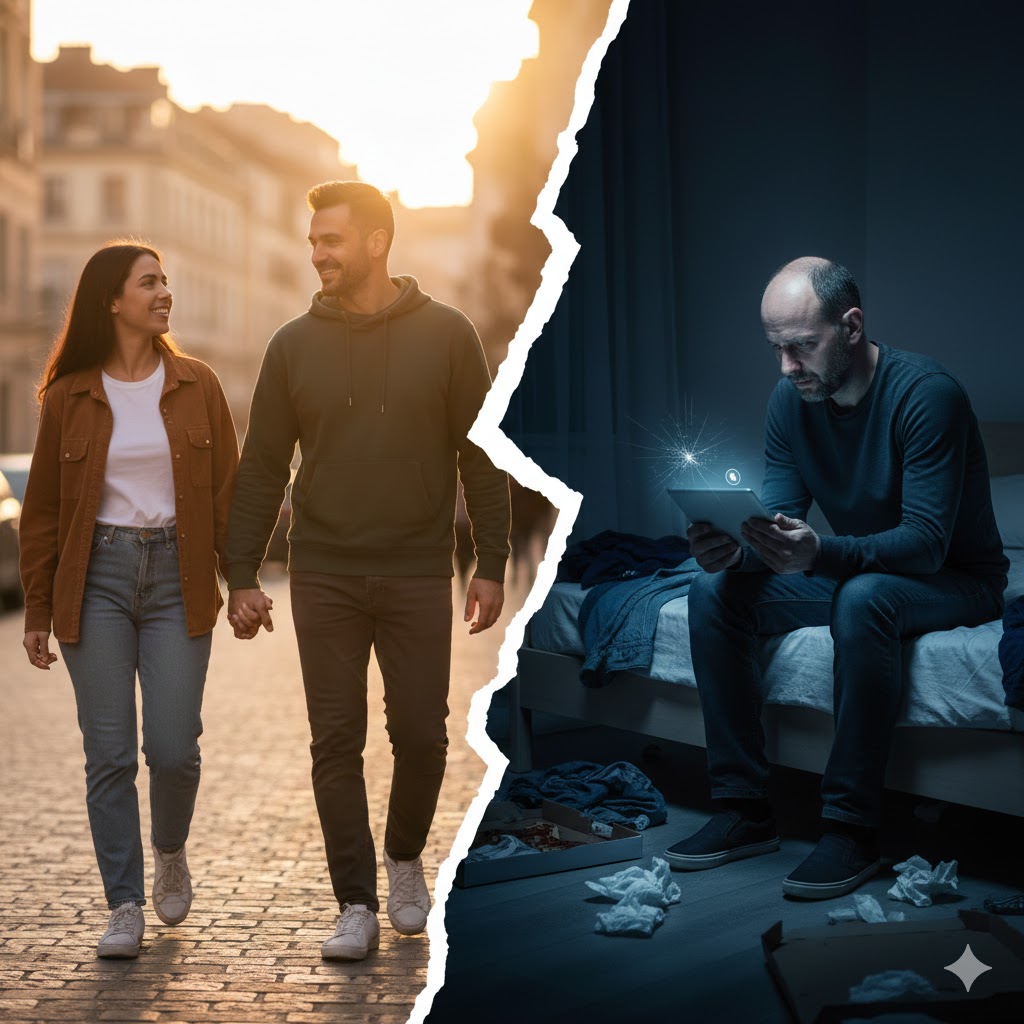
Hair loss is often framed as a cosmetic issue, but its effects run much deeper than appearance alone. For many people, thinning hair or a receding hairline quietly reshapes how they see themselves, how they interact socially, and how they approach dating and relationships. Whether hair loss begins in your twenties or later in life, the emotional and social consequences can be subtle yet powerful. Understanding these shifts is essential—not only for emotional well-being, but also for making informed decisions about hair restoration.
The Emotional Weight of Hair Loss
Hair has long been associated with youth, vitality, and attractiveness across cultures. When hair begins to thin or fall out, it can challenge a person’s sense of identity. Many individuals report feeling older than they are, less confident in social settings, or more self-conscious in everyday interactions.
This emotional shift doesn’t happen overnight. It often starts with small changes, such as avoiding mirrors, wearing hats more frequently, or feeling uneasy in photos. Over time, these behaviors can influence broader social habits and self-expression.
How Hair Loss Affects Social Confidence
Social confidence is closely tied to how comfortable we feel in our own skin. Hair loss can disrupt that comfort, especially in environments where first impressions matter.
Changes in Social Interaction
People experiencing hair loss may unconsciously alter their behavior in social settings. Some common patterns include:
- Avoiding crowded or highly social environments
- Feeling hesitant to initiate conversations
- Becoming more reserved in group settings
These shifts are not about vanity. They stem from heightened self-awareness and fear of judgment, even when that judgment may not actually exist.
The Role of Self-Perception
Often, the biggest change happens internally. When someone believes they look less attractive, that belief can influence posture, eye contact, tone of voice, and overall presence. This can create a feedback loop where reduced confidence leads to fewer positive social experiences, reinforcing the initial insecurity.
Hair Loss and Dating Dynamics
Dating is one of the areas where hair loss can have the most noticeable psychological impact. Physical attraction, while subjective, plays a role in early dating stages, and hair is often part of that equation.
First Impressions and Dating Anxiety
For singles, hair loss can increase anxiety around first dates or online dating profiles. Some people delay dating altogether, waiting until they feel “better” about their appearance. Others may worry excessively about how their hair looks under certain lighting or angles.
This anxiety can distract from genuine connection, making dating feel more stressful than exciting.
Online Dating and Visual Culture
Modern dating relies heavily on visuals. Profile photos, video calls, and social media presence can amplify concerns about appearance. Individuals with hair loss may spend excessive time editing photos, choosing specific angles, or avoiding video interactions altogether.
While confidence ultimately matters more than hair, these concerns are real and increasingly common in today’s digital dating landscape.
Long-Term Relationships and Hair Loss
Hair loss doesn’t only affect singles. In long-term relationships, it can still influence self-esteem and intimacy. Some individuals worry about losing attractiveness in their partner’s eyes, even when reassurance is present. These internal fears can quietly affect emotional closeness and communication if left unaddressed.
Coping Mechanisms and Behavioral Shifts
People adapt to hair loss in different ways. Some embrace the change, while others seek ways to minimize or reverse it.
Appearance-Based Adjustments
Common coping strategies include changing hairstyles, using styling products, wearing hats, or experimenting with facial hair to rebalance appearance. While these can help temporarily, they don’t always address the underlying emotional impact.
Avoidance Behaviors
In more challenging cases, individuals may avoid dating, social events, or professional networking opportunities. This avoidance can limit personal and career growth, making hair loss a broader quality-of-life issue rather than a purely cosmetic one.
The Impact of Hair Restoration on Social and Dating Confidence
Hair restoration treatments can play a significant role in restoring not just hair, but confidence and social ease. For many patients, the decision to pursue treatment is driven by a desire to feel like themselves again.
Psychological Benefits of Hair Restoration
Restoring hair often leads to improvements in:
- Self-esteem and body image
- Social confidence
- Willingness to engage in dating and relationships
Patients frequently report feeling more comfortable in photos, more relaxed in conversations, and less preoccupied with their appearance.
Dating Confidence After Hair Restoration
When self-consciousness fades, dating dynamics often shift naturally. Confidence becomes more authentic, interactions feel less forced, and individuals are more present in the moment. Rather than focusing on perceived flaws, attention returns to connection, personality, and shared values.
Choosing the Right Approach to Hair Restoration
Hair restoration is not one-size-fits-all. The most effective approach depends on hair loss pattern, lifestyle, goals, and expectations.
Surgical and Non-Surgical Options
Modern hair restoration includes both surgical solutions, such as hair transplants, and non-surgical treatments like PRP therapy and medical hair regrowth programs. Each option has its own benefits and timeline, and a professional evaluation is essential to determine the best path forward.
The Importance of Professional Guidance
Working with an experienced hair restoration specialist ensures that treatment decisions are realistic, personalized, and aligned with long-term outcomes. A thoughtful approach leads to more natural results and greater satisfaction—both physically and emotionally.
Conclusion: Reclaiming Confidence and Connection
Hair loss can quietly reshape social behavior and dating dynamics by influencing confidence, self-image, and emotional well-being. While it’s a common experience, it doesn’t have to limit how you connect with others or how you see yourself. Addressing hair loss—whether emotionally, medically, or both—can open the door to renewed confidence and stronger relationships.
At ZMD Hair, we understand that hair restoration is about more than appearance. It’s about restoring confidence, comfort, and connection in your everyday life. Our expert team offers personalized hair restoration solutions designed to help you feel like yourself again. Contact ZMD Hair today to schedule a consultation and take the first step toward renewed confidence in your social life, dating journey, and beyond.