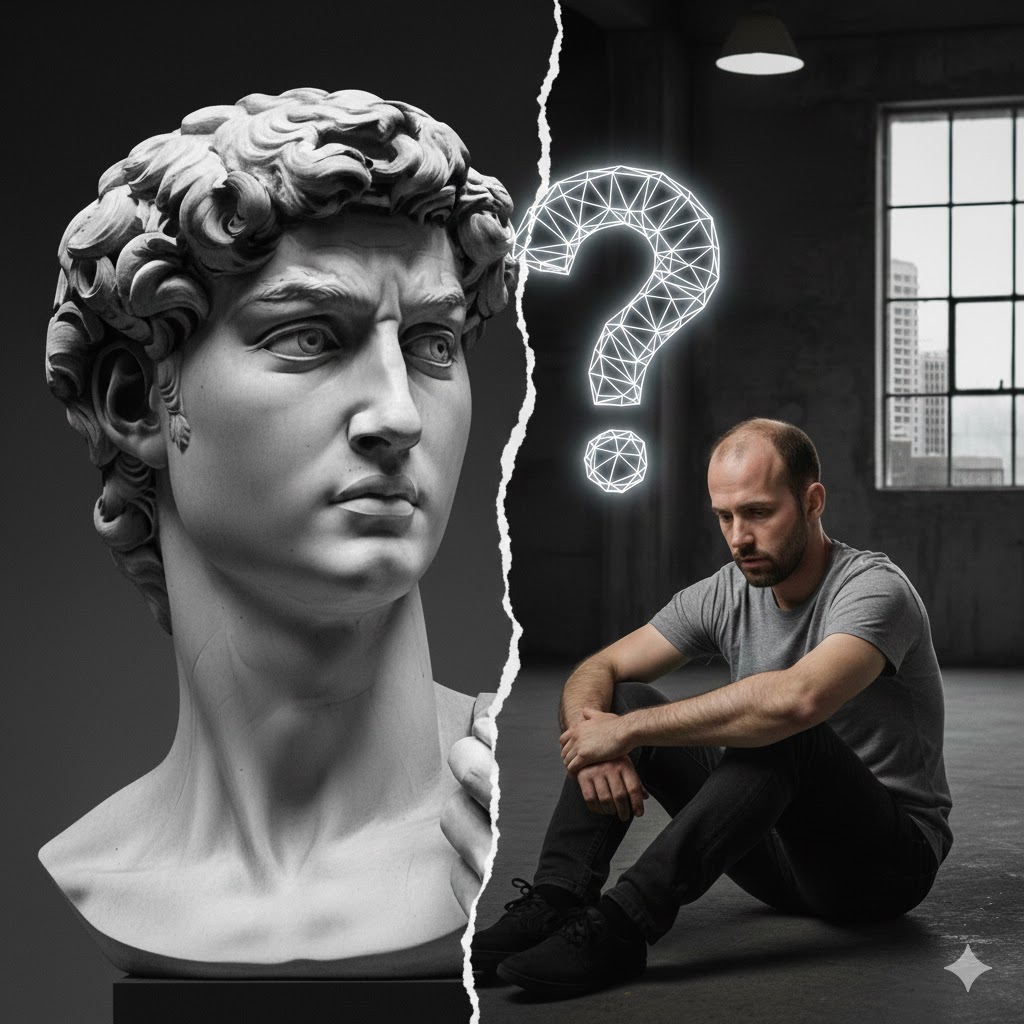
Hair loss is a deeply human experience, yet it remains one of the most quietly stigmatized changes men face. Despite evolving conversations around mental health, body image, and self-acceptance, baldness is still often associated with aging, loss of vitality, or diminished masculinity. For many men, hair loss is not just a cosmetic concern—it touches identity, confidence, and how they feel seen in the world.
In modern society, where appearance is constantly highlighted through social media, advertising, and pop culture, the pressure to maintain a full head of hair has only intensified. This blog explores the connection between hair and masculinity, why baldness continues to carry stigma, and how understanding these perceptions can empower men to make informed choices about their hair and well-being.
The Cultural Link Between Hair and Masculinity
Throughout history, hair has symbolized strength, youth, and virility. From ancient warriors to modern celebrities, thick hair has often been portrayed as a marker of power and desirability. While cultural definitions of masculinity have evolved, the association between hair and male identity remains deeply ingrained.
In many societies, hair represents control and dominance over one’s appearance. Losing hair can feel like losing control over how others perceive you. This psychological impact often outweighs the physical change itself, making hair loss an emotional experience rather than a purely aesthetic one.
Why Baldness Is Still Seen as a Loss
Youth and Vitality Perceptions
Hair loss is commonly linked with aging, even though many men begin losing hair in their twenties or thirties. In a culture that celebrates youth, baldness is often unfairly associated with decline or reduced energy. This perception can affect how men feel in professional, social, and romantic environments.
When youth is equated with relevance, men experiencing hair loss may feel pressure to “correct” it in order to remain competitive or confident.
Media and Beauty Standards
Modern media plays a powerful role in shaping how masculinity is defined. Movies, television, and advertising frequently portray leading men with strong hairlines and thick hair. Bald characters are often cast into specific roles—older mentors, villains, or comedic figures—reinforcing stereotypes about what hair loss represents.
Even in fitness and grooming industries, hair is often presented as part of the ideal masculine image. These repeated visuals subtly reinforce the idea that hair equals attractiveness and authority.
Social Comparison in the Digital Age
Social media has amplified appearance-based comparison. Filtered images, curated lifestyles, and influencer culture place constant emphasis on looking “put together.” For men experiencing hair loss, these platforms can intensify self-consciousness and reinforce feelings of inadequacy.
Hair loss becomes more noticeable not because it has changed, but because it is constantly measured against unrealistic standards.
The Psychological Impact of Hair Loss on Men
Confidence and Self-Image
For many men, hair loss affects confidence long before it becomes visibly severe. The awareness of thinning hair or a receding hairline can change how a man sees himself, even if others have not noticed yet.
This internal shift can influence behavior—avoiding mirrors, certain hairstyles, social situations, or even photographs. Over time, these small changes can accumulate and affect overall self-esteem.
Masculinity and Identity
Masculinity is often tied to strength, presence, and control. Hair loss can challenge these perceptions, especially when it occurs earlier than expected. Men may feel less attractive, less dominant, or less confident in intimate relationships.
Because society often expects men to “brush it off,” these feelings are rarely discussed openly. As a result, many men process hair loss in silence, which can deepen frustration or emotional stress.
Why the Stigma Persists Despite Progress
Silence Around Men’s Appearance Struggles
While conversations around women’s body image have expanded significantly, men’s struggles with appearance are still less openly addressed. Hair loss is frequently minimized or joked about, which can invalidate real emotional experiences.
This lack of open dialogue allows stigma to persist, making men feel isolated rather than supported.
Conflicting Messages of Acceptance and Expectation
On one hand, society promotes self-acceptance and confidence regardless of appearance. On the other, it continues to reward youthful, conventionally attractive looks—especially in professional and dating spaces.
This contradiction places men in a difficult position: accept hair loss fully or feel pressure to “fix” it in order to meet external expectations.
Hair Restoration and the Shift Toward Choice, Not Shame
Reframing Hair Restoration
Hair restoration is often misunderstood as a response to insecurity. In reality, it can be a proactive, personal choice rooted in self-confidence and autonomy. Wanting to restore hair does not mean rejecting self-acceptance—it can mean aligning your appearance with how you feel inside.
Modern hair restoration is less about vanity and more about empowerment. Men today are choosing treatments because they want to, not because they feel forced to.
Advances in Hair Restoration Treatments
Technological advancements have made hair restoration more natural, effective, and personalized than ever before. From minimally invasive hair transplants to non-surgical treatments like PRP therapy, options are available to suit different goals and comfort levels.
These treatments focus on restoring natural growth patterns, maintaining scalp health, and delivering long-term results that support confidence without drastic change.
Redefining Masculinity in a Modern Context
Masculinity today is broader and more flexible than it has ever been. Confidence is no longer defined by rigid standards but by self-awareness and choice. Whether a man chooses to embrace baldness or pursue hair restoration, the key is ownership of that decision.
Breaking the stigma around baldness starts with recognizing that hair does not define worth, strength, or masculinity. At the same time, choosing to restore hair is not a weakness—it is a personal decision rooted in self-care.
Supporting Hair Health at Any Stage
Even for men not considering restoration, maintaining scalp and hair health is important. Proper nutrition, stress management, and early consultation with a specialist can help slow hair loss and preserve existing hair.
Understanding your hair loss pattern and options early allows for informed decisions, rather than reactive ones driven by frustration.
Conclusion:
Baldness remains stigmatized in modern society largely because of outdated cultural narratives, media influence, and silence around men’s emotional experiences. Hair loss can affect confidence and identity, but it does not diminish masculinity or value.
What truly matters is choice—choosing how you want to present yourself and having access to honest, professional guidance along the way.
At ZMD Hair, we believe every man deserves clarity, respect, and personalized care when it comes to hair loss and restoration. Whether you’re exploring treatment options or simply seeking expert advice, our team is here to support you without judgment.
Contact ZMD Hair today to schedule a consultation and take control of your hair journey with confidence, knowledge, and expert care tailored to you.