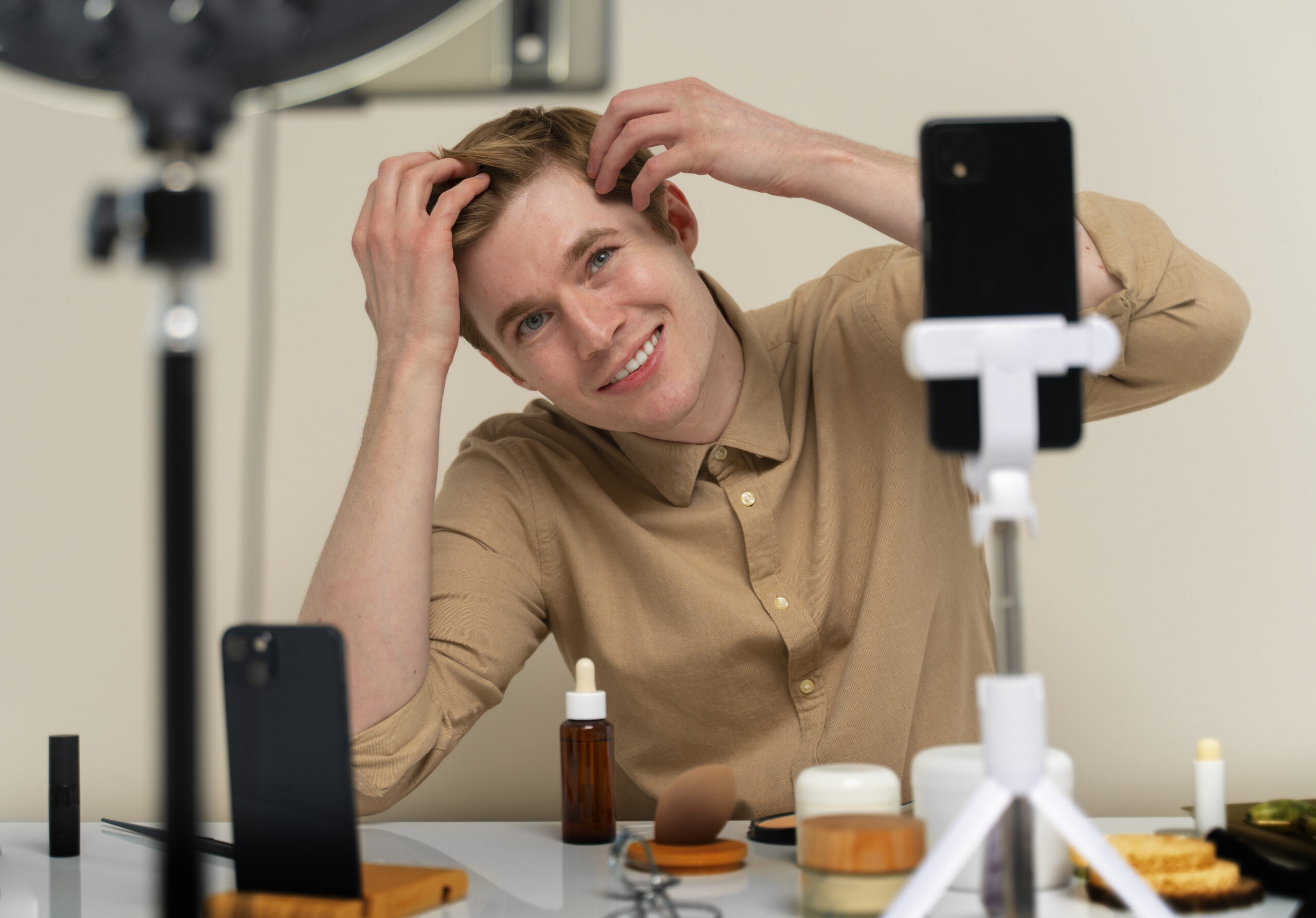
Scroll through social media for a few minutes, and you’ll likely see dramatic hair transformation videos: thinning hairlines becoming full overnight, “miracle” serums producing instant density, or influencers casually documenting a hair transplant with flawless results weeks later. While these posts are engaging, they are also reshaping how people understand hair loss and hair restoration—often in misleading ways.
Influencer marketing has become one of the most powerful forces in the hair loss industry. While it has helped reduce stigma and open conversations, it has also distorted expectations about timelines, outcomes, and what hair restoration can realistically achieve. Understanding this influence is essential for anyone considering treatment.
The Rise of Influencers in the Hair Loss Industry
Influencers have transformed how health and cosmetic treatments are marketed. Instead of relying on clinical explanations or long-term studies, brands now use personal stories, before-and-after visuals, and emotional narratives to sell products and procedures.
Hair loss treatments are particularly vulnerable to this approach because results are visual and deeply tied to self-esteem. When an influencer claims a product “changed everything,” it resonates far more than a medical disclaimer ever could.
The Illusion of Instant Results
Edited Timelines and Selective Sharing
One of the biggest distortions caused by influencer marketing is the illusion of speed. Hair growth is biologically slow. Even the most advanced hair restoration treatments require months before noticeable results appear.
However, influencer content often compresses timelines. Videos jump from “before” to “after” without clearly explaining that the transformation took six to twelve months. Viewers are left believing that visible density appears in weeks, which is rarely the case.
Lighting, Angles, and Styling Tricks
Many “results” shared online are enhanced through lighting, camera angles, hair fibers, or professional styling. While these techniques are not inherently deceptive, they are rarely disclosed. For someone experiencing hair loss, this can create unrealistic expectations and unnecessary disappointment.
Sponsored Content and Hidden Bias
Paid Partnerships Without Full Transparency
Influencer marketing often blurs the line between personal experience and paid promotion. While some influencers clearly disclose sponsorships, others do so subtly—or not at all.
When an influencer is compensated to promote a product or clinic, their content may emphasize positives while omitting limitations, risks, or suitability concerns. This selective storytelling can make treatments appear universally effective, which is never true in medical care.
One Experience Is Not Universal
Hair loss varies widely based on genetics, hormones, age, and health. What works for one person may not work for another. Influencer marketing tends to present individual success stories as broadly applicable, ignoring this biological variability.
How Influencer Culture Shapes Hair Loss Perception
Normalizing Extreme Expectations
Influencers often present “perfect” hair as the goal, even after hair restoration. Dense hairlines, youthful patterns, and flawless symmetry are portrayed as standard outcomes rather than exceptional cases.
In reality, ethical hair restoration focuses on natural, age-appropriate results. When expectations are set too high, patients may feel dissatisfied even after technically successful treatment.
Creating Anxiety Around Early Hair Loss
Constant exposure to hair-focused content can make mild thinning feel like an emergency. Influencers often promote early intervention aggressively, which can create anxiety and pressure people into treatments they may not yet need.
While early consultation is beneficial, panic-driven decisions are rarely ideal in medical care.
The Impact on Treatment Choices
Overemphasis on Products Over Diagnosis
Many influencers promote shampoos, oils, supplements, or devices as standalone solutions. While some products can support scalp health, they cannot reverse genetic hair loss on their own.
This marketing approach can delay proper diagnosis and treatment. Patients may spend years trying ineffective products before consulting a specialist, losing valuable time in the process.
Underplaying Medical Complexity
Hair restoration is a medical process involving scalp health, donor area assessment, and long-term planning. Influencer content often simplifies this complexity, framing procedures as quick lifestyle upgrades rather than medical decisions requiring professional guidance.
The Psychological Cost of Distorted Expectations
When real results don’t match influencer-promoted outcomes, patients may experience frustration, regret, or self-blame. Instead of understanding biological limits, they may assume they “did something wrong” or chose the wrong provider.
This emotional toll is rarely discussed in promotional content, yet it’s one of the most common consequences of unrealistic expectations.
How to Approach Hair Loss Information More Critically
Look for Medical Context
Reliable hair loss information explains timelines, limitations, and individual variation. Be cautious of content that promises guaranteed results, instant growth, or “one-size-fits-all” solutions.
Separate Education From Entertainment
Influencer content is designed to engage, not educate. While it can raise awareness, it should never replace professional consultation. Use social media as a starting point, not a decision-making tool.
Ask the Right Questions
Before pursuing any treatment, ask:
- How long do results realistically take?
- What factors affect success in my case?
- What are the risks and limitations?
- Is this solution medical, cosmetic, or supportive?
These questions shift the focus from hype to health.
The Role of Ethical Hair Restoration Clinics
Responsible clinics work to counteract distorted expectations by prioritizing education and transparency. They assess each patient individually, explain realistic outcomes, and tailor treatment plans based on medical evidence—not trends.
An ethical provider will never promise perfection. Instead, they aim for improvement that looks natural and sustainable over time.
Moving Toward Informed, Confident Decisions
Influencer marketing isn’t inherently harmful. It has helped normalize conversations around hair loss and encouraged people to seek solutions. The problem arises when entertainment replaces medical reality.
Understanding how influencer content shapes expectations empowers patients to make informed, confident decisions—ones based on biology, not algorithms.
Conclusion: Choosing Truth Over Trends
Influencer marketing has changed how hair loss is perceived, often promoting unrealistic timelines, exaggerated results, and oversimplified solutions. While these stories can be inspiring, they don’t reflect the full medical reality of hair restoration.
At ZMD Hair, we believe honest education is just as important as advanced treatment. Our team takes the time to evaluate your unique hair loss pattern, explain realistic outcomes, and design a personalized plan rooted in medical expertise—not social media trends. Schedule a consultation with ZMD Hair today and take the first step toward informed, natural, and lasting hair restoration you can trust.
Frequently Asked Questions
1. Why do hair restoration results on social media look so fast and dramatic?
Many influencer posts compress timelines, showing results that actually took six to twelve months. Lighting, styling, and editing also enhance appearance. Hair growth is biologically slow, so instant results shown online rarely reflect reality.
2. Are influencer-recommended hair products and treatments reliable?
Not always. Influencers often share personal or sponsored experiences, which may not apply to everyone. Hair loss varies based on genetics, hormones, and health, so treatments should be chosen based on medical evaluation—not popularity or trends.
3. Can social media create unrealistic expectations about hair restoration?
Yes. Influencer culture often promotes perfect hairlines and dense results as the norm. In reality, ethical hair restoration focuses on natural, age-appropriate improvement rather than perfection, which can differ greatly from social media portrayals.
4. How should I evaluate clinics offering hair restoration in Beverly Hills?
When considering hair restoration in Beverly Hills, look for clinics that emphasize medical consultation, realistic timelines, and personalized treatment plans. Ethical providers explain limitations, avoid guarantees, and base recommendations on individual scalp and hair analysis—not influencer marketing.
5. What’s the best way to use social media when researching hair loss solutions?
Social media can be helpful for awareness, but it should never replace professional advice. Use influencer content as a starting point, then consult a qualified specialist who can assess your specific hair loss pattern and guide you with evidence-based recommendations.