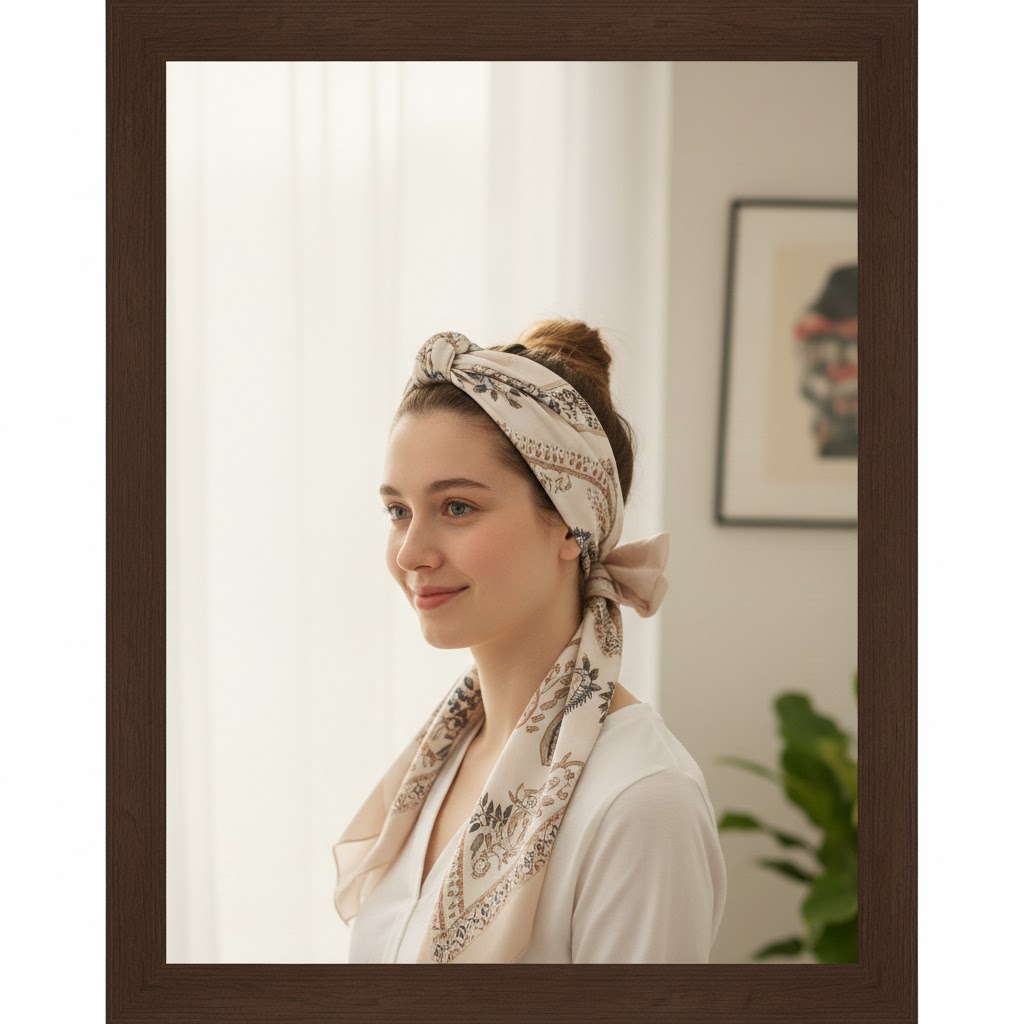
Hair recovery is rarely linear. Whether someone is healing from excessive shedding, telogen effluvium, thinning, breakage, or a medical procedure, the scalp often enters a delicate phase where every tug, twist, and tension matters. During this period, choosing hairstyles that support healing—rather than strain vulnerable follicles—can make a significant difference in long-term results.
At ZMD Hair, we see patients who are eager to protect their regrowth but unsure how to style their hair safely. Many worry about doing the wrong thing, pulling too tightly, or hiding thinning areas without causing more damage. This blog explores how adaptive, low-tension hairstyles can help preserve new growth, reduce follicular stress, and support a healthier scalp during recovery.
Understanding Scalp Vulnerability During Recovery
When the scalp is compromised—whether from inflammation, stress shedding, surgery, or chronic health concerns—it becomes far more reactive. Follicles sit closer to transition phases, meaning even mild traction or heavy styling products can push strands prematurely into shedding.
A recovering scalp may experience:
- Heightened sensitivity
- Increased inflammation
- Reduced anchoring strength of hairs
- Weakened follicular bulbs
- Brittleness or uneven texture
This is why protective styling plays such an important role. The goal isn’t to hide thinning—it’s to create an environment where follicles can regain strength, improve density, and transition back into a stable growth cycle.
Why Adaptive Hairstyles Matter
Reducing Physical Tension
Tight ponytails, braids, and buns can cause traction stress, which weakens the follicle’s anchoring system. Adaptive hairstyles use gentle placement, softer accessories, and strategic parting to reduce strain.
Protecting Fragile Regrowth
New baby hairs or early-stage anagen strands are thinner and more vulnerable. They knot easily and break quickly. Protective styles reduce friction against clothing, pillows, and environmental exposure.
Supporting Scalp Comfort
A sensitive scalp can feel irritated by harsh elastics, rough bristles, or heavy extensions. Adaptive hairstyles are designed to minimize direct pressure on inflamed or healing areas.
Encouraging Confidence During Transition
Many patients feel self-conscious when their density fluctuates. The right styles can offer subtle coverage while still honoring the integrity of fresh growth.
Gentle, Low-Tension Styles for Fragile Follicles
1. Loose Low Bun
A loose low bun distributes weight evenly across the scalp. It keeps strands contained without tugging at the hairline. Using a soft scrunchie instead of an elastic band further reduces friction.
2. Soft Claw Clip Twist
Instead of twisting tightly into a high bun, gather hair into a gentle twist and secure it with a padded claw clip. This method allows movement without stressing the follicles.
3. Loose Braids
Not the tight, scalp-gripping type—loose, fluffy braids that allow flexibility. They prevent tangling while minimizing tension. One or two low braids often work better than multiple small ones during recovery.
4. Half-Up, Half-Down Style
This lightens the weight at the scalp without pulling the entire head of hair into a single tie. It’s ideal for disguising thinner areas around the crown.
5. Silk or Satin Headband Styles
These allow patients to cover weakened frontal regions without stressing the follicles beneath. They also protect fragile strands from friction.
6. Open, Soft Curls
Heat-free curls created with satin rollers or foam rods add volume without compromising the scalp. These styles also help camouflage density changes.
Daily Habits That Support Protective Styling
Use Gentle Tools
Soft-bristle brushes, wide-tooth combs, and satin scrunchies help prevent breakage.
Minimize Heat Styling
Heat weakens keratin, dries the scalp, and makes regrowth more fragile.
Avoid Wet Styling Tension
Hair is most vulnerable when wet. High-tension buns or braids immediately after showering can cause breakage at the root.
Practice Scalp-First Thinking
If a style feels even slightly uncomfortable at the root, it’s too tight.
Understanding What to Avoid During Recovery
Tight Ponytails and Topknots
These put strain directly on the hairline and crown—two areas most prone to thinning.
Heavy Extensions or Weaves
Added weight pulls at already fragile follicles. Even “lightweight” extensions can disrupt recovery.
Repeated Middle Parting
Constantly dividing the hair in the same location weakens density along the part line.
Styles That Stay In Too Long
Even loose braids or low buns can cause trouble if left for long periods without refreshing the scalp.
How Protective Styles Support Clinical Hair Treatments
Adaptive hairstyles are not just cosmetic—they can amplify the results of medical hair restoration therapies.
Enhancing PRP and Growth Factor Therapy
After treatment, follicles need stability and reduced stress so platelets and growth factors can work effectively.
Supporting LLLT Therapy Response
Low Laser Light Therapy benefits from a calm, soothed scalp that isn’t overwhelmed by tension or inflammation.
Preserving Follicles After Transplant Procedures
New grafts require complete protection from strain. Adaptive styling helps patients transition smoothly from post-op healing into early anagen phases.
Improving Treatment Compliance
Patients who feel confident and comfortable with their hair between sessions are more likely to maintain consistent care, leading to better long-term outcomes.
The Emotional Side of Styling During Recovery
Hair recovery is deeply personal. Many patients describe this period as a mix of hope, vulnerability, and self-awareness. Adaptive hairstyles offer more than protection—they provide reassurance during an uncertain phase.
Patients often tell us:
- “These styles make me feel less exposed.”
- “I finally feel like I can go out without worrying.”
- “I’m not scared of touching my hair anymore.”
At ZMD Hair, we understand these emotions. Our goal is to support both the physical and emotional journey of recovery. Choosing the right hairstyles can help patients feel grounded while their scalp strengthens from within.
How ZMD Hair Guides Patients Through Scalp Recovery
Our team blends medical expertise with practical, real-life strategies. Whether someone is recovering from telogen effluvium, a transplant, or chronic inflammation, our specialists help identify:
- Safe styling routines
- Protective looks that suit lifestyle and density
- Scalp-calming products
- Growth therapies
- Nutrition and stress support
We believe scalp healing is holistic—every detail matters, from how you style your hair to how you sleep.
Conclusion
Adaptive hairstyles are more than “gentle options”—they’re tools that protect fragile follicles, support regrowth, and reduce tension during a sensitive phase of recovery. When chosen thoughtfully, these styles can help strengthen the scalp’s foundation, smooth the emotional journey, and enhance medical treatment outcomes.
At ZMD Hair, we guide patients through every stage of healing with scalp-first strategies and advanced medical care. If your hair feels fragile, thinning, or sensitive, the right support can make all the difference.
📞 Ready to protect your recovering scalp with expert guidance?
Visit ZMDHair.com or call us today to book your private consultation.
Let’s rebuild your scalp’s strength, nurture new growth, and help you feel confident—one protective style at a time.