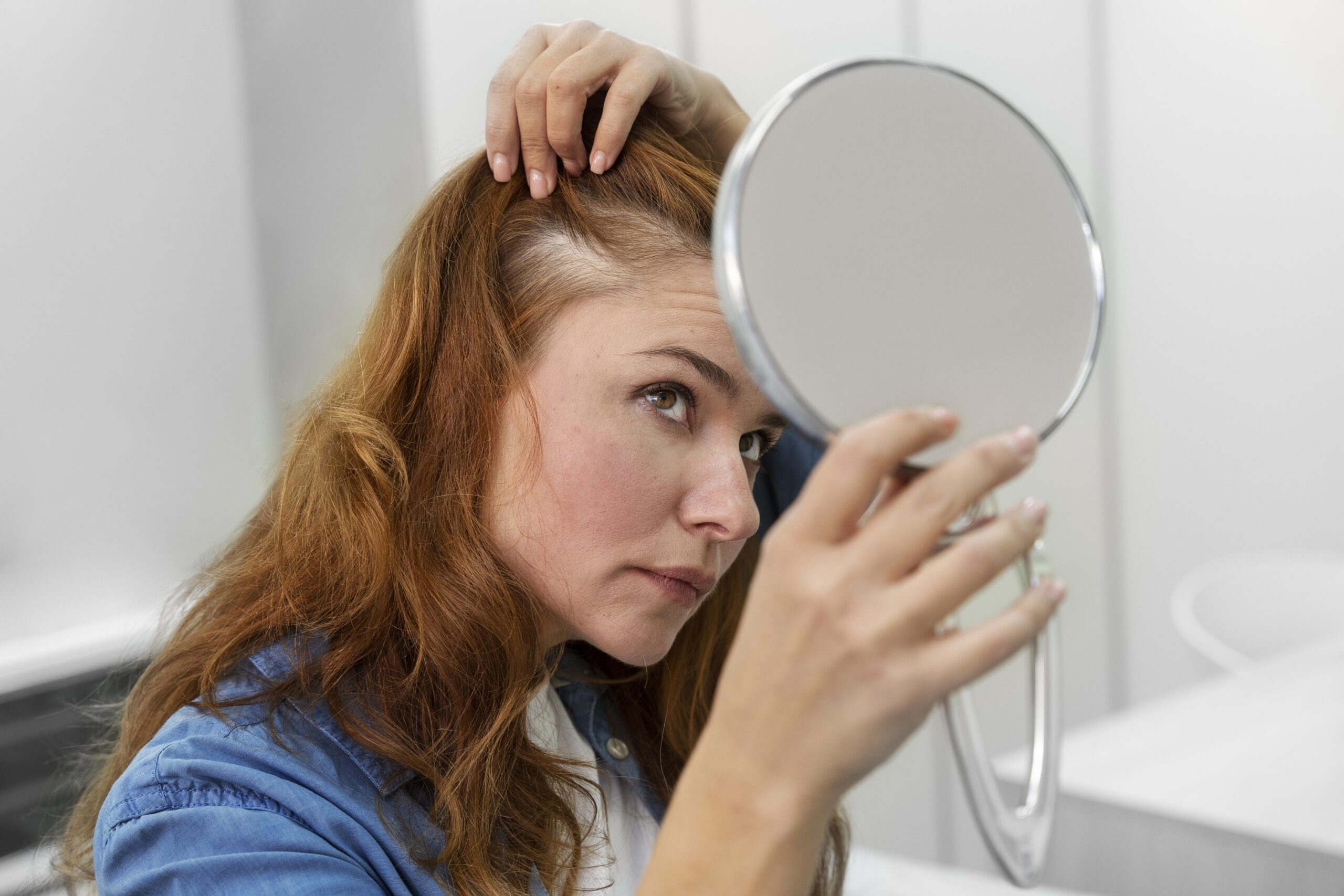
Caregiving is an act of deep compassion, whether it involves caring for an aging parent, a chronically ill partner, a child with special needs, or multiple family members at once. While caregiving can be emotionally meaningful, it often comes with prolonged stress, disrupted sleep, and physical exhaustion. Over time, these pressures don’t just affect mental and physical health—they can also take a visible toll on hair.
Many caregivers are surprised when they begin noticing excessive shedding, thinning hair, or changes in texture. Understanding how stress, sleep deprivation, and burnout impact hair health is essential for addressing the problem early and supporting long-term recovery. This blog explores the connection between caregiving and hair loss and outlines practical steps to restore both well-being and hair health.
The Connection Between Caregiving and Hair Health
Hair health reflects what is happening inside the body. While genetics play a role, lifestyle and physiological stressors heavily influence hair growth and retention. Caregivers often experience a unique combination of chronic stress, irregular routines, poor nutrition, and lack of rest, all of which can disrupt the normal hair growth cycle.
Unlike sudden hair loss caused by illness or medication, caregiver-related hair loss often develops gradually. By the time it becomes noticeable, the body may already be under significant strain.
Understanding the Hair Growth Cycle
To understand why caregiving can lead to hair loss, it’s important to understand how hair grows. Hair follows a continuous cycle made up of three main phases:
Anagen Phase: The active growth phase, where hair follicles produce new hair. This phase can last several years under healthy conditions.
Catagen Phase: A short transitional phase where hair growth slows and the follicle begins to detach from its blood supply.
Telogen Phase: The resting phase, after which hair sheds and the cycle restarts.
Stress, sleep deprivation, and hormonal imbalance can push a large number of hairs out of the anagen phase and into the telogen phase prematurely, leading to increased shedding and thinning.
How Chronic Stress Affects Hair in Caregivers
Stress Hormones and Hair Follicles
Caregiving stress triggers the release of cortisol, the body’s primary stress hormone. Elevated cortisol levels can interfere with hair follicle activity by shortening the anagen phase and slowing new hair production. Over time, follicles may become weaker and produce thinner strands.
Chronic stress also reduces blood flow to non-essential systems, including the scalp. This limits the delivery of oxygen and nutrients needed for healthy hair growth.
Telogen Effluvium and Sudden Shedding
One of the most common stress-related hair loss conditions among caregivers is telogen effluvium. This condition occurs when a stressful event or prolonged stress causes a large percentage of hair follicles to enter the telogen phase at once.
Hair shedding may increase noticeably several months after the stress begins, which can make the cause difficult to identify. Although telogen effluvium is usually temporary, ongoing stress can prolong or worsen the condition.
Sleep Deprivation and Its Impact on Hair Health
Disrupted Repair and Regeneration
Sleep is essential for tissue repair, hormone regulation, and cell regeneration. Caregivers often experience fragmented or insufficient sleep due to nighttime responsibilities, anxiety, or constant alertness.
When sleep is disrupted, the body has less opportunity to repair damaged hair follicles and regulate growth hormones. This can lead to slower hair growth, increased breakage, and dull, lifeless hair.
Hormonal Imbalance From Lack of Rest
Poor sleep affects hormones such as melatonin, growth hormone, and cortisol. These hormonal shifts can disrupt the hair growth cycle and increase shedding. Over time, chronic sleep deprivation can contribute to thinning hair, particularly around the temples and crown.
Burnout and Nutritional Deficiencies
Skipped Meals and Poor Nutrition
Caregivers often prioritize others’ needs over their own, leading to skipped meals or reliance on convenience foods. This can result in deficiencies in key nutrients essential for hair health, including iron, protein, zinc, and B vitamins.
Without proper nutrition, hair follicles lack the building blocks needed to produce strong, healthy strands. Hair may become brittle, dry, or prone to excessive shedding.
Emotional Exhaustion and Self-Neglect
Burnout is more than physical fatigue; it’s emotional and mental exhaustion. When caregivers reach burnout, self-care routines often disappear. Hair care, hydration, and overall wellness may take a back seat, compounding the effects of stress-related hair loss.
The Emotional Toll of Hair Loss on Caregivers
Hair loss can feel like one more loss layered on top of an already overwhelming situation. For caregivers, hair thinning may intensify feelings of invisibility, loss of identity, or diminished self-worth.
Because caregiving is often a long-term commitment, hair loss can serve as a visible reminder of personal sacrifice. Addressing hair health can be an important step in restoring confidence and reclaiming a sense of self.
Supporting Hair Health While Caregiving
Managing Stress in Small, Sustainable Ways
While caregivers may not be able to eliminate stress entirely, small interventions can make a difference. Short breathing exercises, brief walks, or even moments of quiet reflection can help regulate cortisol levels over time.
Seeking emotional support through counseling or caregiver support groups can also reduce the burden of stress and improve overall well-being.
Prioritizing Sleep Where Possible
Improving sleep quality, even if total sleep time is limited, can support hair health. Establishing a calming bedtime routine, reducing screen time before sleep, and asking for respite care when possible can help restore restorative sleep cycles.
Nourishing the Body for Hair Recovery
A nutrient-dense diet supports both energy levels and hair growth. Caregivers should aim to include:
- Protein-rich foods to support keratin production
- Iron-rich foods for oxygen delivery to follicles
- Omega-3 fatty acids for scalp health
- Fruits and vegetables for antioxidant support
Even small dietary improvements can positively impact hair over time.
Gentle Scalp and Hair Care
Caregiver-related hair loss can make hair more fragile. Gentle scalp massage can improve circulation, while mild shampoos and minimal heat styling help reduce breakage and irritation.
When to Consult a Hair Restoration Specialist
If hair loss persists despite lifestyle improvements, consulting a hair restoration specialist is an important next step. A professional evaluation can determine whether hair loss is stress-related, hormonal, nutritional, or influenced by other factors.
Modern hair restoration options, including medical treatments, PRP therapy, and hair transplant solutions, can be tailored to the unique needs of caregivers experiencing prolonged stress-related hair loss.
Conclusion
Caregivers give endlessly of themselves, often at the expense of their own health. Chronic stress, sleep deprivation, and burnout can quietly disrupt the hair growth cycle, leading to thinning, shedding, and loss of confidence. While hair loss may feel like yet another burden, it is also a signal from the body that care and restoration are needed.
At ZMD Hair, we understand that hair loss in caregivers is deeply connected to life circumstances, not vanity. Our team offers compassionate, personalized hair restoration solutions designed to support both physical recovery and emotional well-being. Contact ZMD Hair today to schedule a consultation and take the first step toward restoring your hair, your confidence, and yourself.
Frequently Asked Questions
1. Can caregiving stress really cause hair loss?
Yes. Prolonged caregiving stress increases cortisol levels, disrupts sleep, and strains the body’s systems. Over time, this can push hair follicles into the shedding phase prematurely, leading to noticeable thinning or excessive hair loss.
2. Is hair loss from caregiving permanent or temporary?
In many cases, caregiver-related hair loss—especially stress-induced shedding like telogen effluvium—is temporary. Once stress levels decrease, sleep improves, and nutrition is restored, hair growth can gradually recover. However, prolonged stress may require professional support.
3. How does sleep deprivation affect hair health in caregivers?
Sleep is essential for hormone regulation and tissue repair. Chronic sleep deprivation interferes with these processes, slowing hair growth and increasing breakage. Poor sleep can also worsen hormonal imbalances that contribute to thinning hair.
4. When should a caregiver consider hair restoration in Los Angeles?
Caregivers may consider hair restoration Los Angeles services if hair loss continues despite stress management, improved sleep, and better nutrition. A professional evaluation helps determine whether medical treatment, PRP therapy, or other restoration options are appropriate based on the underlying cause.
5. What lifestyle changes can help caregivers support hair regrowth?
Small, sustainable changes can make a big difference. Managing stress through brief relaxation practices, prioritizing sleep quality, improving nutrition, and using gentle hair care routines all support healthier hair growth and overall well-being.