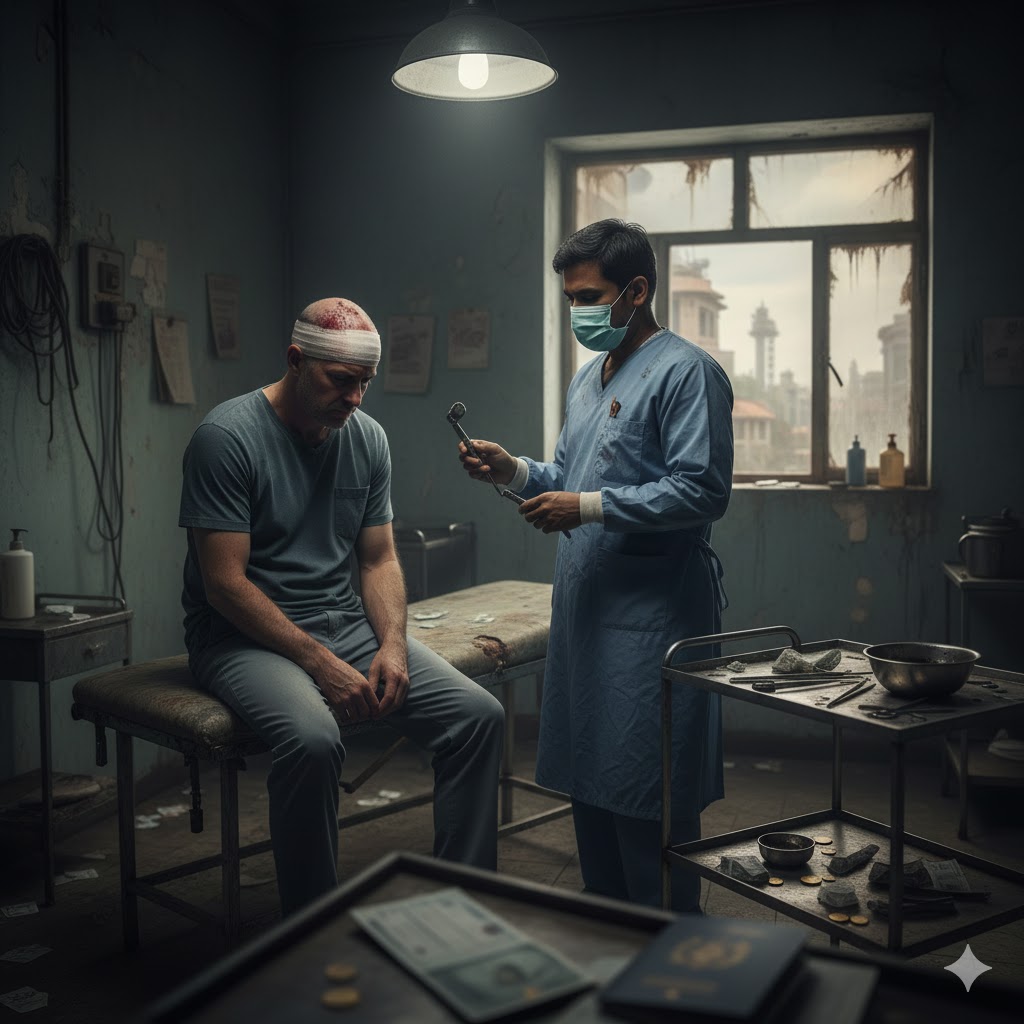
Hair loss can feel deeply personal. For many men and women, it affects confidence, self-image, and even social life. With the rising cost of hair transplant procedures in some countries, medical tourism has become an appealing option. Clinics abroad often advertise dramatically lower prices, luxury accommodations, and “guaranteed” results. On the surface, it sounds like the perfect solution.
However, what many patients are not told are the hidden risks that can come with traveling overseas for hair transplant surgery. These risks often only become apparent when complications arise, results fall short, or long-term damage has already been done. Understanding these realities before making a decision can protect both your health and your investment.
The Rise of Hair Transplant Medical Tourism
In recent years, hair transplant tourism has grown rapidly. Countries offering low-cost cosmetic procedures attract thousands of international patients each year. Social media marketing, before-and-after photos, and influencer promotions often create the impression that all clinics provide the same level of care.
The reality is more complex. Hair transplantation is a surgical procedure that requires medical expertise, strict hygiene standards, personalized planning, and long-term follow-up. When any of these elements are missing, the risks increase significantly.
What Makes Hair Transplant Surgery More Than Just a Cosmetic Trip
A hair transplant is not a simple, one-size-fits-all service. It involves harvesting hair follicles from a donor area and implanting them precisely into thinning or balding areas. This process demands surgical skill, artistic judgment, and an understanding of long-term hair loss patterns.
When performed correctly, the results can look natural and last a lifetime. When done poorly, the damage can be permanent.
Hidden Risks Patients Often Discover Too Late
Inconsistent Medical Standards
One of the biggest risks of overseas hair transplants is the lack of consistent regulation. Medical standards vary widely from country to country. Some clinics operate without the same oversight, accreditation, or safety protocols required in more strictly regulated healthcare systems.
In certain destinations, technicians rather than licensed physicians may perform critical parts of the procedure. This increases the risk of improper graft placement, excessive scarring, and poor overall outcomes.
Limited Surgeon Involvement
Many patients assume that a qualified surgeon will personally handle their procedure. In reality, some high-volume overseas clinics rely on assembly-line practices. The surgeon may only be present briefly, while most of the work is done by untrained or minimally trained staff.
This can lead to unnatural hairlines, low graft survival, and donor area damage that cannot be reversed.
Communication Barriers and Unrealistic Expectations
Clear communication is essential before any medical procedure. Language barriers can make it difficult for patients to fully understand the treatment plan, potential risks, or realistic outcomes.
Some clinics promise dense results or full coverage that may not be achievable based on a patient’s hair type or donor supply. When expectations are not managed properly, disappointment is almost inevitable.
Shortcuts in Hygiene and Safety Protocols
Sterilization and infection control are critical in any surgical setting. Unfortunately, some overseas clinics cut corners to reduce costs. This increases the risk of infections, poor wound healing, and long-term scalp issues.
Post-operative infections may not appear immediately. Many patients only notice problems after returning home, when follow-up care from the original clinic is no longer accessible.
Post-Procedure Care: A Major Weak Point
Lack of Proper Follow-Up
Hair transplant recovery does not end when the surgery is over. Proper aftercare, monitoring, and guidance are essential for graft survival and healthy healing. Medical tourism patients often receive minimal post-operative support.
If complications arise weeks or months later, traveling back to the original clinic is rarely practical. Local doctors may be hesitant to manage or correct work done elsewhere, leaving patients stuck between providers.
Difficulty Addressing Complications
Common complications such as excessive scarring, uneven growth, folliculitis, or shock loss require timely medical attention. Without a local specialist who understands your procedure, these issues can worsen over time.
In some cases, corrective surgery becomes necessary, adding significant costs and emotional stress.
Long-Term Consequences Patients Don’t Anticipate
Irreversible Donor Area Damage
The donor area is a finite resource. Poor extraction techniques can permanently damage healthy follicles, limiting future restoration options. Once donor hair is depleted or scarred, it cannot be replaced.
This is one of the most devastating outcomes of poorly performed hair transplant surgery.
Artificial or Unnatural Results
Hairline design requires both medical knowledge and artistic skill. Clinics focused on speed and volume often neglect proper hairline planning. The result can be pluggy, unnatural patterns that are difficult to conceal.
Correcting these mistakes is far more complex than performing the initial procedure correctly.
Why Choosing the Right Clinic Matters
Selecting a reputable, patient-focused clinic is one of the most important decisions you can make in your hair restoration journey. High-quality clinics prioritize safety, transparency, surgeon involvement, and long-term results over volume and aggressive marketing.
A trusted clinic will provide a thorough consultation, explain realistic expectations, discuss risks openly, and offer structured follow-up care.
The Value of Local Expertise and Accountability
When you choose a clinic with established standards and accountability, you gain peace of mind. You know who performed your procedure, how to reach them, and where to go if you need support.
Local or well-established international clinics that prioritize patient care over tourism packages are better equipped to deliver consistent, natural, and safe results.
Conclusion: Make an Informed Decision About Your Hair and Health
Hair transplant medical tourism can seem tempting, especially when low prices and fast results are heavily promoted. However, the hidden risks—from inconsistent medical standards to lack of follow-up care—can lead to long-term complications that outweigh any initial savings.
Your hair, health, and confidence deserve careful consideration and professional care. At ZMD Hair, we believe patients should be fully informed, supported, and treated with the highest medical standards from consultation to recovery. Our experienced team focuses on personalized treatment plans, safety, and natural-looking results that last.
If you’re considering a hair transplant or want honest guidance about your options, contact ZMD Hair today to schedule a consultation. Take the first step toward restoring your hair the right way—safely, responsibly, and with expert care you can trust.