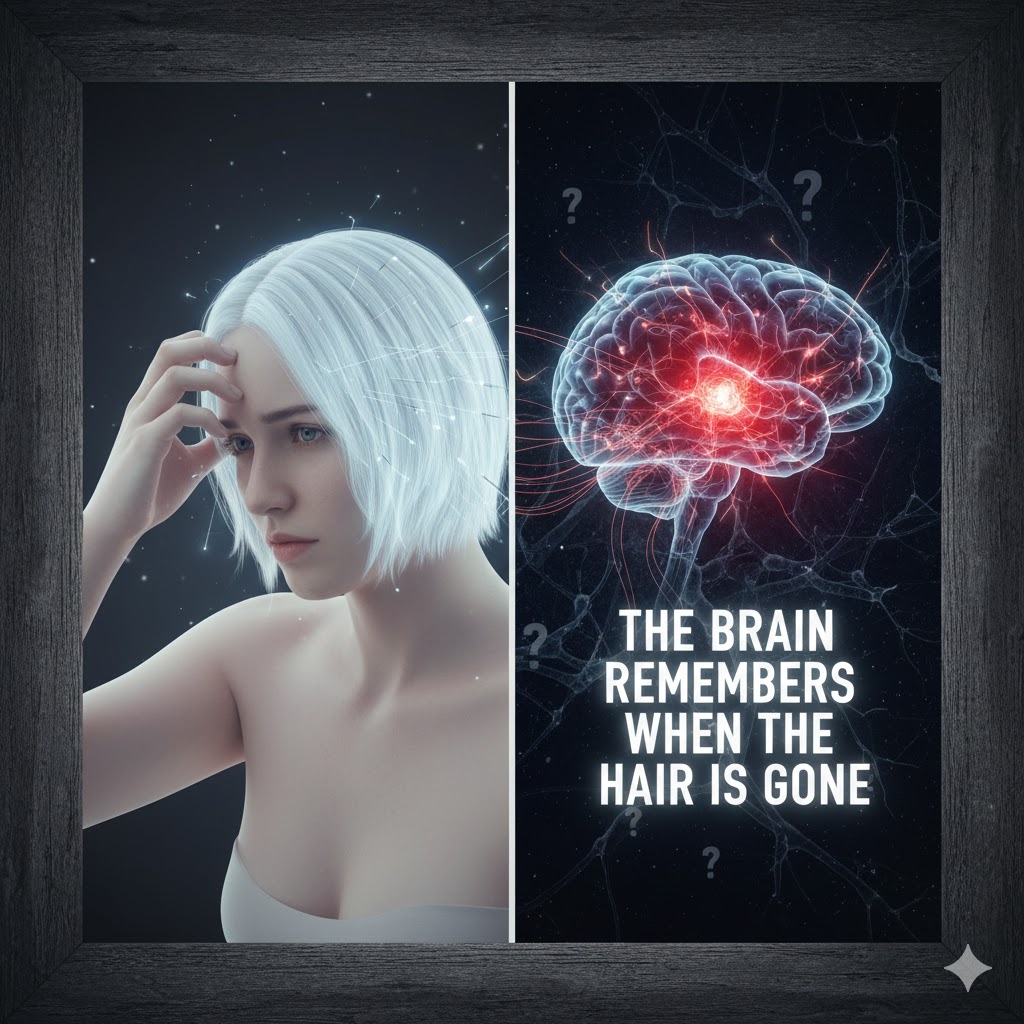
Hair loss is often described in terms of shedding, thinning, or the visible changes on the scalp—but one surprising symptom many patients report is something far less discussed: phantom itch. This is the strange sensation of itching, tingling, crawling, or “movement” on areas of the scalp where hair has already thinned or completely fallen out.
For people going through alopecia, post-transplant recovery, telogen effluvium, or stress-induced shedding, the sensation can be confusing and unsettling. How can the scalp itch where the hair isn’t growing? Why does the brain continue sending signals to a place that looks calm on the surface?
At ZMD Hair, we hear this question often, and the answer lies deeper than the scalp itself. Phantom itch is not just a dermatological issue—it’s a neurological one. When the follicles change, the brain’s map of the scalp changes too. And sometimes, the brain struggles to adapt.
This blog explores the science behind phantom itch, why it happens, and what it reveals about the mind-body connection in hair loss.
Understanding Phantom Itch: A Neurological Echo
Phantom itch is closely related to the phenomenon known as “phantom limb sensation,” where amputees feel pain or movement in missing limbs. While losing hair is not the same as losing an arm, the underlying mechanism shares a similar foundation.
When hair is lost or a follicle becomes inactive, the sensory nerves that once serviced that area lose input. Instead of going silent, the nerves can become hyperactive—or the brain can misinterpret signals.
The result:
- Itching where the follicles no longer produce hair
- Tingling on bare patches
- “Crawling” sensations along thinning lines
- A sense of tightness or movement without visible cause
This is the brain attempting to interpret sensory gaps.
How the Brain Remembers Hair
The Scalp’s Sensory Grid
Every hair follicle is attached to a complex network of nerves. These nerves transmit information about movement, temperature, touch, and irritation.
When hair is lost, the nerves don’t immediately shut down. Instead, they continue firing—sometimes at random, sometimes excessively.
Neuroplasticity and Confusion
The brain maintains a “map” of the body. When the scalp changes rapidly, such as during:
- Sudden shedding
- Stress-induced thinning
- Alopecia areata
- Hair transplant procedures
- Hormonal shift–related thinning
…the brain struggles to update the map.
Think of it as a GPS that keeps directing you to a road that no longer exists.
Inflammation Adds Noise
Many hair loss conditions involve microscopic inflammation around the follicle. This inflammation irritates the surrounding nerves, amplifying itch even in areas without visible hair.
Emotional Stress Makes Sensations Sharper
Heightened emotional states increase sensory sensitivity. Many patients experiencing hair loss describe being more aware of every sensation on their scalp—especially itching.
The Psychological Side of Phantom Itch
Hair loss is not just physical—it’s deeply emotional. Phantom itch often emerges during periods of heightened stress or emotional upheaval.
Patients commonly report:
- Worrying the itch means more shedding
- Scratching compulsively
- Feeling anxious about touching their scalp
- Becoming hyperaware of thinning areas
Emotional trauma and sudden changes in identity (such as losing density rapidly) can make the nervous system more reactive.
At ZMD Hair, we see that phantom itch often reflects the emotional weight of hair loss as much as the neurological changes beneath the skin.
Medical Conditions Linked to Phantom Itch
Phantom itch can appear in several hair-related conditions:
1. Telogen Effluvium
Rapid shifts in the growth cycle confuse the nerve endings surrounding the follicles.
2. Alopecia Areata
Autoimmune inflammation triggers sensation signals even in bald patches.
3. Post-Transplant Recovery
As nerves regenerate, they fire irregularly, causing itching where new grafts are settling in.
4. Chronic Stress
Stress chemicals sensitize the scalp nerves, making normal feedback feel exaggerated.
5. Hormonal Shifts
Menopause, postpartum changes, and thyroid issues all alter the nerve-follicle feedback loop.
Why Scratching Makes It Worse
Scratching temporarily overwhelms nerve signals, which is why it feels relieving—but only for a moment.
Then the irritation rebounds harder.
Scratching also:
- Damages fragile follicles
- Increases inflammation
- Disrupts scalp healing
- Worsens sensitivity
A recovering scalp needs calm—not microtrauma.
How to Reduce Phantom Itch: Practical and Medical Strategies
1. Calm the Nervous System
Techniques such as deep breathing, progressive relaxation, and mindfulness reduce sensory overload.
Patients often notice less itch when the nervous system is regulated.
2. Soothe the Scalp
Topicals that help include:
- Aloe-based gels
- Anti-inflammatory serums
- Scalp-calming sprays
- Cooling formulations
These reduce inflammation around the nerves.
3. Gentle Scalp Massage
Slow, light pressure interrupts nerve misfiring and improves circulation without triggering more itch.
4. Avoid Harsh Products
Fragrances, alcohol-based sprays, and tight hairstyles all amplify nerve irritation.
5. Medical Therapies
Treatments such as PRP, LLLT, and growth factor injections stabilize the follicle environment and reduce inflammation, indirectly decreasing phantom itch.
6. Build Emotional Support
Talking about hair loss experiences reduces nervous system hyper-reactivity. Phantom sensations often lessen when emotional tension decreases.
Why ZMD Hair Takes Phantom Itch Seriously
At ZMD Hair, we recognize that phantom itch isn’t “just in the mind.” It has physical roots in nerve behavior, brain mapping, inflammation, and the emotional distress that accompanies hair loss.
Our approach includes:
- Scalp imaging to evaluate inflammation
- Understanding the sensory pattern behind phantom itch
- Developing personalized calming protocols
- Treatments that reduce follicular irritation and nerve firing
- Support for the psychological effects of hair changes
When patients feel heard and supported, sensory symptoms often ease faster.
Conclusion and Call to Action
Phantom itch may feel mysterious, but it’s a real, neurological response to hair loss and scalp change. When the hair disappears, the brain doesn’t forget—it keeps sending signals, trying to understand what has changed. With the right combination of scalp care, inflammation reduction, emotional support, and medical guidance, these sensations can calm down and allow true healing to begin.
You don’t have to navigate this confusing stage alone.
📞 Experiencing phantom itch or sensory changes after hair loss?
Visit ZMDHair.com or call today to schedule your private consultation.
Together, we’ll decode your scalp’s signals, calm the nervous system, and guide you toward regrowth, comfort, and confidence.