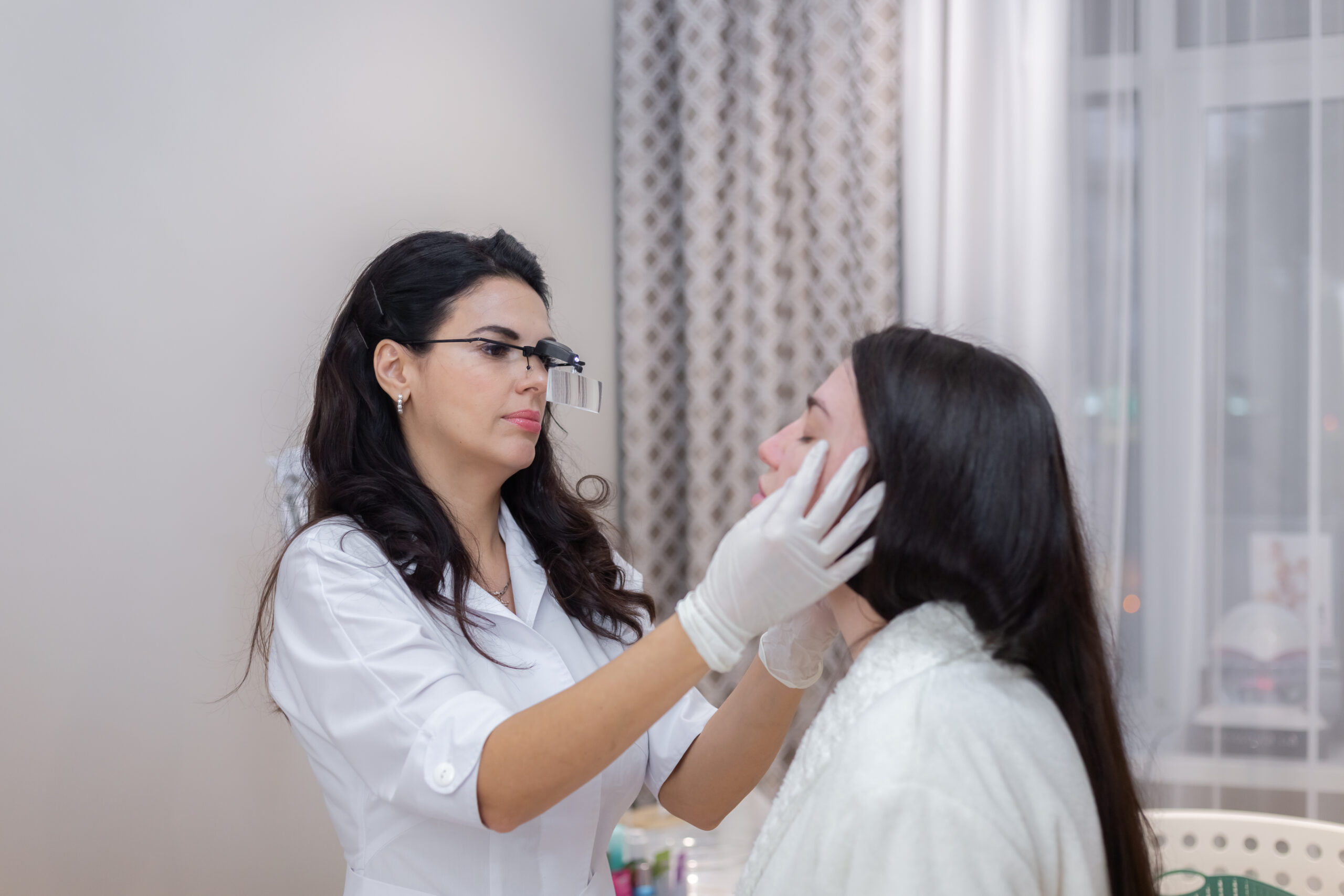
Hair thinning or shedding can be alarming. For many people, the first assumption is simple: I’m losing my hair. In cosmetic dermatology, that assumption often drives patients straight toward hair restoration treatments. But in a surprising number of cases, hair loss isn’t the real problem at all. The issue lies elsewhere—and when it’s misdiagnosed, treatments fail, frustration grows, and the underlying condition worsens.
Understanding how misdiagnosis happens in cosmetic dermatology is critical for anyone concerned about hair health. This blog explores why hair loss is frequently misidentified, what conditions are commonly mistaken for it, and how proper evaluation can make all the difference in successful treatment.
Why Hair Loss Is Often Misdiagnosed
Hair loss is not a single condition. It’s a symptom with dozens of possible causes, ranging from genetic patterns to autoimmune disease, hormonal imbalance, inflammation, and even lifestyle stress. In busy cosmetic settings, however, hair thinning is sometimes treated as a cosmetic issue rather than a medical one.
Quick consultations, surface-level scalp exams, and assumptions based on age or gender can lead to inaccurate conclusions. When the root cause is missed, even the most advanced hair restoration techniques may deliver poor or temporary results.
The Difference Between Hair Loss and Hair Shedding
Hair Shedding Isn’t Always Hair Loss
One of the most common misinterpretations in cosmetic dermatology is confusing hair shedding with true hair loss. Hair shedding, often caused by stress, illness, or hormonal shifts, is usually temporary. The follicles remain healthy, and regrowth occurs naturally once the trigger is resolved.
True hair loss, on the other hand, involves follicle miniaturization or damage that prevents normal regrowth. Treating temporary shedding as permanent hair loss can lead to unnecessary procedures and disappointment.
Telogen Effluvium vs. Androgenetic Alopecia
Telogen effluvium is a condition where a large number of hairs enter the resting phase of the growth cycle simultaneously. It can be triggered by surgery, illness, weight loss, emotional stress, or hormonal changes. Many patients with telogen effluvium are mistakenly diagnosed with genetic hair loss and advised to pursue aggressive cosmetic treatments.
Understanding the hair growth cycle is essential. Hair grows through three phases:
- Anagen Phase: Active growth
- Catagen Phase: Transition
- Telogen Phase: Resting and shedding
Disruptions that push too many follicles into telogen can look alarming but are often reversible.
Scalp Conditions That Mimic Hair Loss
Inflammation and Scalp Disorders
Scalp inflammation is a frequent but overlooked cause of thinning hair. Conditions like seborrheic dermatitis, psoriasis, or chronic folliculitis can interfere with healthy hair growth without destroying follicles.
If inflammation isn’t addressed first, hair restoration treatments may fail because the scalp environment remains unhealthy.
Traction and Styling-Related Damage
Tight hairstyles, chemical treatments, and excessive heat can cause traction alopecia or breakage that mimics hair loss. In these cases, the hair shaft—not the follicle—is the issue. Cosmetic dermatology treatments aimed at follicle stimulation won’t solve a problem rooted in mechanical damage.
Hormonal and Systemic Causes Often Missed
Thyroid Disorders
Thyroid imbalance is a well-known but frequently overlooked cause of hair thinning. Both hypothyroidism and hyperthyroidism can disrupt the hair growth cycle, leading to diffuse thinning across the scalp.
Without blood work or medical evaluation, this type of hair change is often misattributed to aging or genetics.
Nutritional Deficiencies
Low iron, vitamin D deficiency, and inadequate protein intake can all affect hair density. These issues are especially common in women and individuals following restrictive diets. Treating nutritional hair thinning with cosmetic procedures alone rarely produces lasting improvement.
Autoimmune Conditions
Conditions such as alopecia areata cause hair loss through immune system attack on hair follicles. This type of hair loss requires medical management, not cosmetic enhancement. Misdiagnosis can delay appropriate care and worsen outcomes.
The Impact of Misdiagnosis on Hair Restoration Results
Ineffective Treatments
When the cause of hair thinning isn’t properly identified, treatments are applied blindly. PRP therapy, topical medications, or even hair transplants may fail because they don’t address the true underlying issue.
Unnecessary Procedures
Some patients undergo invasive procedures they never needed. This can lead to wasted time, financial strain, and emotional distress—especially when results don’t meet expectations.
Delayed Recovery and Progression
Perhaps most concerning, misdiagnosis allows the real condition to progress untreated. Inflammatory or autoimmune scalp conditions can cause permanent follicle damage if not managed early.
Why Proper Diagnosis Requires More Than a Visual Exam
A thorough hair and scalp evaluation goes beyond simply looking at thinning areas. It should include:
- Detailed medical and lifestyle history
- Scalp and follicle examination
- Assessment of shedding patterns
- Consideration of stress, hormones, and nutrition
- Referral for lab testing when appropriate
Cosmetic dermatology works best when it’s integrated with medical insight, not isolated from it.
How a Comprehensive Approach Improves Outcomes
When hair concerns are approached holistically, treatment becomes more effective and predictable. In many cases, addressing inflammation, correcting deficiencies, or managing stress restores hair growth without invasive procedures.
For patients who do need hair restoration, treating the underlying condition first dramatically improves graft survival, regrowth quality, and long-term satisfaction.
What Patients Can Do to Avoid Misdiagnosis
If you’re concerned about hair loss, consider asking these questions before starting treatment:
- Has the cause of my hair thinning been clearly identified?
- Was my scalp health evaluated, not just hair density?
- Could stress, hormones, or nutrition be contributing factors?
- Is this condition temporary or progressive?
Seeking answers early can save time and protect your hair.
Treat the Cause, Not Just the Symptom
Hair loss can be distressing, but it isn’t always the problem it appears to be. In cosmetic dermatology, misdiagnosis is more common than many realize, and treating the symptom instead of the cause often leads to frustration and poor results.
At ZMD Hair, we believe successful hair restoration starts with accurate diagnosis. Our team takes the time to understand why your hair is changing before recommending any treatment. If you’re experiencing hair thinning or shedding and want answers—not assumptions—contact ZMD Hair today to schedule a comprehensive consultation and take the first step toward informed, effective hair care.
Frequently Asked Questions
1. How can I tell if my hair thinning is shedding or permanent hair loss?
Hair shedding is often temporary and linked to stress, illness, hormonal changes, or lifestyle factors. In these cases, hair follicles remain healthy and regrowth usually occurs within a few months. Permanent hair loss, however, involves follicle miniaturization or damage that prevents normal regrowth. A proper scalp and hair cycle evaluation is the best way to tell the difference.
2. Why do hair restoration treatments sometimes fail even when done correctly?
Hair restoration treatments can fail when the underlying cause of hair thinning is misdiagnosed. Issues like scalp inflammation, nutritional deficiencies, hormonal imbalances, or autoimmune conditions must be treated first. Without addressing the root cause, even advanced treatments may deliver weak or temporary results.
3. Can scalp conditions really cause hair thinning without true hair loss?
Yes. Scalp conditions such as seborrheic dermatitis, psoriasis, or chronic inflammation can disrupt healthy hair growth without permanently damaging follicles. If left untreated, these conditions can make the scalp unsuitable for regrowth or hair restoration, which is why scalp health evaluation is critical.
4. Do I need hair transplantation in Los Angeles if my hair is thinning?
Not necessarily. Hair transplantation Los Angeles clinics often see patients who don’t actually need surgical intervention. Many cases of thinning are caused by temporary shedding, medical conditions, or lifestyle factors that can be reversed with proper diagnosis and non-invasive treatment. A comprehensive evaluation should always come before considering transplantation.
5. What should be included in a proper hair loss diagnosis?
A thorough diagnosis should include a detailed medical and lifestyle history, scalp and follicle examination, assessment of shedding patterns, and consideration of stress, hormones, and nutrition. In some cases, lab testing is necessary. This medical-based approach helps ensure treatment is targeted, effective, and long-lasting.