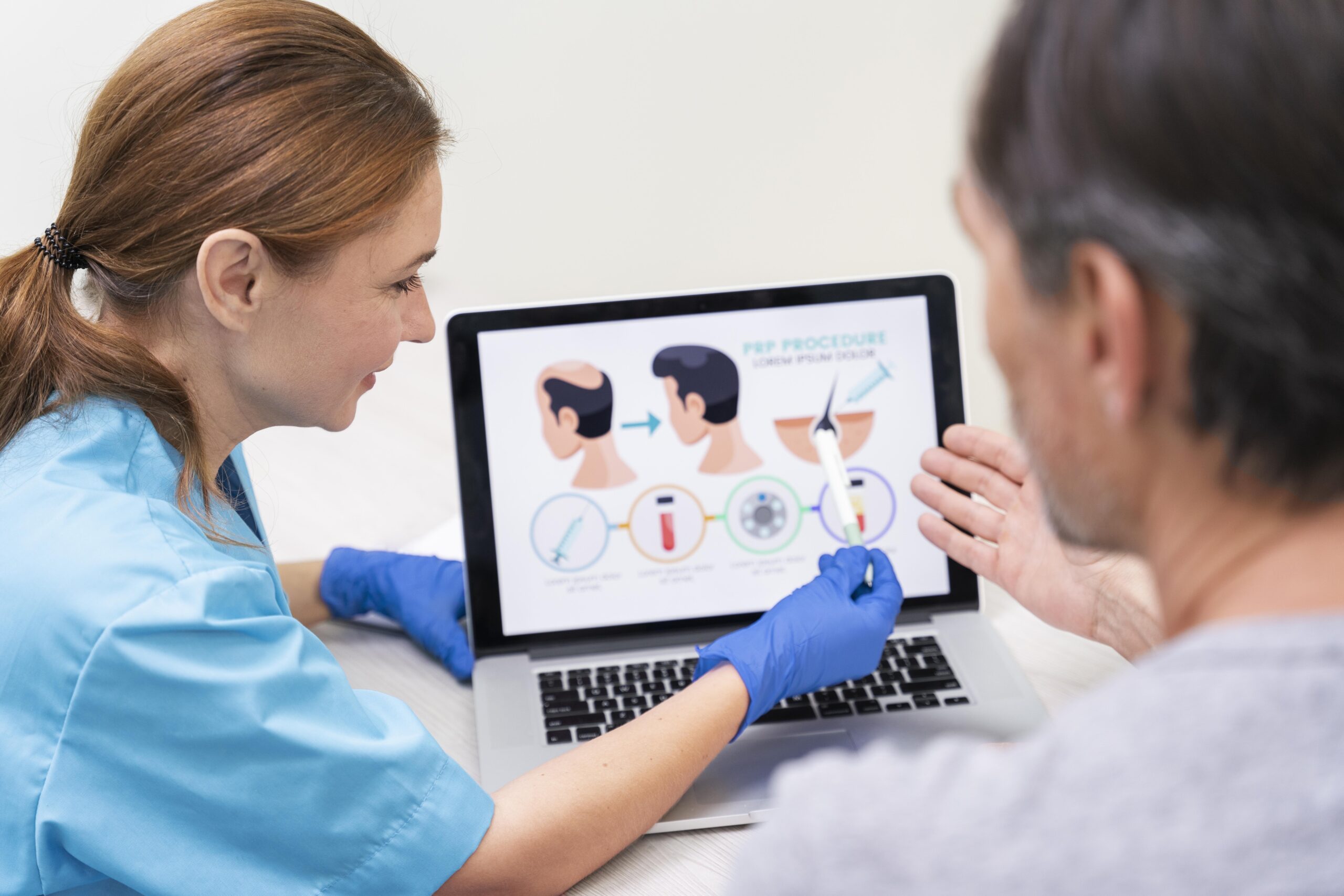
Hair loss can be frustrating, emotional, and deeply personal. When thinning hair or a receding hairline begins to appear, many people feel an urgent need to act fast. This sense of urgency has fueled a booming market for DIY hair loss gadgets—laser caps, microneedling rollers, electrical scalp stimulators, and “growth helmets” promising professional results at home.
While these devices are often marketed as safe, affordable, and clinically inspired, the reality is far more complicated. Without proper diagnosis, technique, or medical oversight, DIY hair loss gadgets can actually worsen hair loss, damage the scalp, and delay effective treatment. Understanding why these tools often do more harm than good is essential before placing your trust—and your hair—in their hands.
The Appeal of DIY Hair Loss Solutions
The popularity of at-home hair loss devices isn’t surprising. They promise convenience, privacy, and lower costs compared to professional treatments. Many are marketed with scientific language, before-and-after photos, and testimonials that suggest results comparable to clinical procedures.
For someone already anxious about hair loss, these gadgets can feel like a low-risk way to take control. Unfortunately, hair biology is complex, and hair loss is rarely a one-size-fits-all problem.
Understanding the Hair Growth Cycle
To understand why DIY gadgets can be problematic, it helps to first understand how hair grows. Hair follows a continuous cycle made up of three phases:
Anagen Phase: The active growth phase, where hair follicles produce new hair. This phase can last several years.
Catagen Phase: A short transitional phase where hair stops growing and detaches from its blood supply.
Telogen Phase: The resting phase, during which hair eventually sheds and the follicle prepares to re-enter anagen.
Disruptions to this cycle—whether from hormones, inflammation, trauma, or improper treatment—can accelerate shedding and prevent regrowth. Many DIY devices interfere with this cycle rather than supporting it.
The Problem with Self-Diagnosing Hair Loss
One of the biggest risks of DIY hair loss gadgets is using them without understanding the underlying cause of hair loss. Hair thinning can result from:
- Androgenetic alopecia (genetic hair loss)
- Telogen effluvium caused by stress or illness
- Autoimmune conditions like alopecia areata
- Hormonal imbalances
- Nutritional deficiencies
- Scalp inflammation or infection
DIY gadgets do not diagnose these conditions. Using the wrong device for the wrong type of hair loss can worsen shedding or mask the real issue until it becomes more difficult to treat.
How DIY Hair Loss Gadgets Can Cause Damage
Excessive or Improper Microneedling
At-home microneedling rollers are commonly used to “stimulate” hair follicles. In clinical settings, microneedling is performed at precise depths under sterile conditions. At home, however, users often apply too much pressure or use incorrect needle lengths.
This can lead to:
- Scalp irritation and inflammation
- Infection due to improper sterilization
- Scarring that damages hair follicles permanently
- Triggering telogen effluvium from repeated trauma
Instead of encouraging growth, improper microneedling can push healthy follicles into a resting or shedding phase.
Overuse of Laser and Light Devices
Low-level laser therapy can support hair growth when used appropriately and under professional guidance. DIY laser caps and combs, however, often lack consistent power output and proper usage guidelines.
Overuse or incorrect application may:
- Cause scalp irritation or dryness
- Lead to inconsistent stimulation of follicles
- Create false expectations that delay effective treatment
Without addressing hormonal or genetic causes, laser gadgets alone rarely produce meaningful long-term results.
Electrical Scalp Stimulators and Heat-Based Devices
Some DIY tools use electrical currents, vibration, or heat to increase scalp circulation. While improved blood flow sounds beneficial, excessive stimulation can irritate the scalp and worsen inflammation.
Inflammation is one of the most overlooked contributors to hair loss. Chronic scalp irritation can shrink follicles over time, making regrowth increasingly difficult.
The Psychological Cost of DIY Failures
DIY hair loss gadgets don’t just carry physical risks—they can also cause emotional harm. When promised results don’t materialize, users often feel discouraged, anxious, or blame themselves for “not using the device correctly.”
This emotional toll can delay seeking professional help, allowing hair loss to progress unchecked. By the time a specialist is consulted, follicles may already be too weakened to respond optimally to treatment.
Why Professional Guidance Matters
Personalized Treatment Plans
Professional hair restoration starts with a thorough evaluation. Specialists assess scalp health, hair density, medical history, and lifestyle factors before recommending treatment. This ensures therapies align with your specific type of hair loss.
DIY gadgets, by contrast, apply generic solutions to complex biological problems.
Safe and Controlled Procedures
In a clinical setting, treatments like PRP therapy, microneedling, or laser therapy are performed with medical-grade equipment, sterile techniques, and proper dosing. This minimizes risk and maximizes effectiveness.
Professional oversight also allows treatments to be adjusted based on how your hair and scalp respond.
Addressing the Root Cause
Effective hair restoration focuses on why hair loss is happening—not just stimulating the scalp. Hormonal management, nutritional support, inflammation control, and lifestyle factors all play a role in long-term success.
DIY gadgets rarely address these deeper contributors.
When At-Home Care Can Be Helpful
This doesn’t mean all at-home hair care is harmful. Gentle scalp care, proper cleansing, stress management, and following professional recommendations can support treatment outcomes.
The key difference is guidance. At-home tools should complement a medically guided plan, not replace it.
Making Informed Choices About Hair Restoration
If you’re considering hair loss treatment, ask yourself:
- Has my hair loss been professionally diagnosed?
- Do I understand the cause of my thinning or shedding?
- Am I using devices correctly and safely?
- Could this approach delay more effective treatment?
Hair restoration works best when timing, technique, and treatment are aligned.
Choose Expertise Over Experimentation
DIY hair loss gadgets may seem like an easy solution, but they often oversimplify a complex biological process. Without proper diagnosis and medical oversight, these devices can irritate the scalp, worsen shedding, and delay real progress.
At ZMD Hair, we believe hair restoration should be safe, personalized, and rooted in medical expertise—not trial and error. Our experienced team offers evidence-based treatments designed to protect your scalp, preserve your follicles, and deliver lasting results. Contact ZMD Hair today to schedule a consultation and take the first step toward restoring your hair the right way—confidently and safely.
Frequently Asked Questions.
1. Why can DIY hair loss gadgets be risky before a hair transplant in Santa Monica?
DIY hair loss gadgets can worsen shedding or damage hair follicles when used without diagnosis or medical guidance. Before considering a hair transplant Santa Monica patients benefit from professional evaluation to avoid scalp trauma and delayed treatment.
2. Can microneedling rollers interfere with hair transplant results in Santa Monica?
Improper at-home microneedling can cause inflammation, infection, or scarring, which may weaken follicles and reduce eligibility or outcomes for a hair transplant Santa Monica specialists would otherwise recommend.
3. Are laser caps effective alternatives to a hair transplant in Santa Monica?
Laser caps alone rarely address the root causes of hair loss. While they may offer mild support, they are not a substitute for medically guided treatments or a hair transplant Santa Monica clinics provide for advanced or genetic hair loss.
4. How does professional diagnosis improve hair loss treatment compared to DIY gadgets in Santa Monica?
A hair transplant Santa Monica consultation identifies the exact cause of hair loss—genetic, hormonal, inflammatory, or stress-related—allowing targeted treatment, whereas DIY devices apply generic solutions that may worsen the condition.
5. When should I stop using DIY hair loss devices and consult a hair transplant specialist in Santa Monica?
If shedding increases, scalp irritation occurs, or results are not improving, it’s time to consult a hair transplant Santa Monica expert who can create a safe, personalized plan based on medical evidence rather than trial and error.