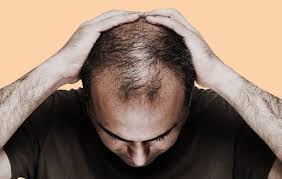
For ages, we have been hearing about men losing hair, and that’s often described as genetic loss. The forefathers lost their hair by the age of 30 or 40, or in some cases after 50, so you will too. But is that really the case? Is there nothing we can do, or should we simply accept it as genetics? Hair loss is a deeply personal and often frustrating experience. For many, the first thought is, “Why me?” The answer, more often than not, lies in our genes. But genetics isn’t the whole story. Environment, lifestyle, and even stress play important roles. Understanding what you can control and what you can’t is essential if you want to take meaningful action. For those searching for hair restoration Los Angeles, ZMD Hair, the flagship site of FUEsion Hair Clinics, offers advanced techniques and personalized care to help patients regain confidence with natural, long-lasting results.
Understanding the Genetics of Hair Loss
Hair loss, or alopecia, is often influenced by genetics. And while this can feel discouraging, knowing the mechanisms can empower you to make informed choices.
Androgenetic Alopecia: The Most Common Cause
The most common type of hereditary hair loss is androgenetic alopecia, also known as male- or female-pattern baldness. This condition is caused by the sensitivity of hair follicles to dihydrotestosterone (DHT), a by-product of testosterone.
- In men, this usually manifests as a receding hairline and thinning crown.
- In women, diffuse thinning across the scalp is more common.
Genetic predisposition dictates how susceptible your follicles are to DHT, and unfortunately, you cannot change it. However, the good news is that modern interventions can effectively preserve and restore hair.
Other Genetic Factors
Beyond DHT sensitivity, genes can influence:
- Hair density
- Growth cycles and timing
- Follicle size and strength
- Age of onset for hair thinning
Understanding your family history can give insight into potential patterns of hair loss, allowing you to plan proactive treatments rather than react after the damage is advanced.
Environmental and Lifestyle Factors That Affect Hair
While genes set the stage, lifestyle and environment can accelerate or slow hair loss. These are areas where you can exert control.
- Stress: Chronic stress can trigger telogen effluvium, a condition that pushes hair follicles into a resting phase, causing temporary shedding.
- Nutrition: Deficiencies in iron, zinc, and vitamins can weaken hair follicles and reduce growth.
- Hormones: Thyroid imbalances or hormone fluctuations, such as those caused by menopause, can impact hair density.
- Scalp Health: Infections, inflammation, and build-up of oils or products can compromise follicle function.
- Lifestyle Habits: Smoking, excessive alcohol, and poor sleep can contribute to hair thinning over time.
Addressing these factors may not entirely reverse genetic predisposition, but it can maximize the potential of your existing hair and improve the results of any restorative treatments.
The Science of Hair Loss Treatments
If genetics is a significant factor, what options are available to counteract hereditary hair loss? Modern hair restoration techniques focus on two goals: preventing further loss and restoring what has already been lost.
FUE Hair Transplant: Precision and Natural Results
Follicular Unit Extraction (FUE) is the gold standard in hair transplantation in Los Angeles. This minimally invasive procedure involves extracting individual hair follicles from a donor area (usually the back of the scalp) and transplanting them to thinning or balding areas.
- Natural Appearance: By strategically placing individual follicles, surgeons replicate natural growth patterns.
- Minimal Scarring: Unlike older strip methods, FUE leaves tiny puncture scars that heal quickly.
- High Success Rates: Transplanted follicles are typically resistant to DHT, ensuring long-term growth.
For patients concerned about aesthetic results, FUE offers a precise, natural-looking solution that harmonises with your facial features and hairline.
PRP Therapy: Stimulating Growth Naturally
Platelet-Rich Plasma (PRP) therapy uses your body’s own platelets to stimulate hair follicles and promote growth. This treatment is often used in combination with FUE for enhanced results.
- Non-Surgical: PRP involves injections rather than incisions.
- Growth Stimulation: Platelets release growth factors that improve follicle health and hair density.
- Maintenance: PRP can prolong the lifespan of existing hair and improve the quality of transplanted follicles.
PRP is particularly useful for patients in the early stages of hair thinning who want to preserve their natural hair while addressing the underlying genetic factors.
Advanced Hair Transplant Solutions
At ZMD Hair, patients have access to a range of advanced hair restoration solutions designed to meet individual needs. Techniques may include:
- Combination therapies: Using FUE and PRP together for maximum density and natural appearance.
- Custom donor mapping: Analyzing donor hair for thickness, curl, and colour to achieve seamless integration.
- Robotic assistance: Precision tools that enhance accuracy and reduce trauma to follicles.
By tailoring treatments to the individual’s genetic profile, scalp condition, and aesthetic goals, ZMD Hair delivers functional and beautiful outcomes.
What You Can Control vs What You Can’t
Genetic hair loss is partially beyond control, but understanding your options allows you to act strategically.
What You Can’t Control
- The genetic predisposition to DHT sensitivity
- The natural shape and density of your hairline
- The onset age for pattern hair loss
What You Can Control
- Early intervention through professional hair evaluations
- Lifestyle habits that support hair health
- Nutritional supplementation to optimize follicle function
- Choosing a skilled surgeon with advanced techniques like FUE and PRP
Taking control of these factors can make a substantial difference in slowing progression and enhancing results.
Why Early Consultation Matters
Timing is critical when addressing hair loss. Consulting a specialist early allows:
- Assessment of current hair density and follicle health
- Planning for the most effective interventions before a significant loss
- Combining preventive measures with restoration for optimal outcomes
At ZMD Hair, consultations involve a detailed examination and personalized treatment plan. Surgeons consider genetics, lifestyle, and hair goals to determine the best approach.
Taking Action: Protect, Preserve, and Restore
- Evaluate Your Genetics: Understanding family history can inform timing and strategy.
- Optimize Lifestyle Factors: Proper nutrition, stress management, and scalp care support follicle health.
- Seek Professional Consultation: Early evaluation by a hair restoration expert maximizes outcomes.
- Consider Advanced Treatments: FUE, PRP, and combination therapies provide scientifically supported restoration.
- Commit to Long-Term Care: Maintenance, follow-ups, and healthy habits ensure lasting results.
By focusing on what you can control and partnering with skilled specialists, you can proactively and effectively navigate genetic hair loss.
Final Thoughts
Hair loss influenced by genetics can feel inevitable, but it doesn’t have to define your confidence or appearance. Understanding the interplay of hereditary factors and controllable lifestyle elements empowers you to act strategically. Advanced hair restoration techniques like FUE, PRP therapy, and other solutions offered at ZMD Hair provide natural, long-lasting results that restore both hair and self-assurance. For anyone in Los Angeles considering hair transplantation Los Angeles, hair transplant Los Angeles, or hair restoration in Los Angeles, ZMD Hair combines expert surgical skill with personalized care, making it the trusted choice for patients seeking a natural transformation.
Take the first step today. Schedule your consultation with ZMD Hair and discover the difference that specialized, advanced hair restoration can make.
FAQs
1. Is genetic hair loss completely unavoidable?
Genetic hair loss, particularly androgenetic alopecia, is influenced by inherited sensitivity to DHT. While you cannot change your genetic predisposition, early intervention, lifestyle adjustments, and advanced treatments like FUE or PRP can significantly slow progression and restore lost hair.
2. How do I know if my hair loss is genetic?
Genetic hair loss typically follows recognizable patterns, a receding hairline and thinning crown in men, or diffuse thinning in women. A family history of similar hair loss is a strong indicator. A professional evaluation can confirm whether your condition is hereditary or caused by other factors.
3. What is FUE hair transplantation, and how is it different from older methods?
Follicular Unit Extraction (FUE) is a minimally invasive procedure where individual hair follicles are extracted and transplanted to thinning areas. Unlike traditional strip methods, FUE leaves minimal scarring, offers faster recovery, and produces natural-looking results.
4. Can PRP therapy regrow hair naturally?
PRP (Platelet-Rich Plasma) therapy uses your own platelets to stimulate hair follicles and promote growth. It is particularly effective in the early stages of hair thinning and can also enhance the results of hair transplant procedures when combined with advanced hair restoration Los Angeles treatments for more comprehensive outcomes.
5. When is the best time to seek treatment for hair loss?
The earlier you consult a specialist, the better the outcome. Early evaluation allows for preventive strategies, preservation of existing hair, and timely planning of restoration treatments before significant hair loss occurs.