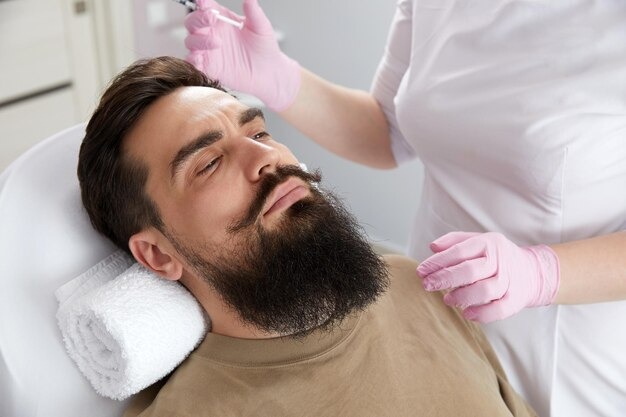
A well-groomed beard is more than just a style statement it is a reflection of identity, confidence, and personal care. For many men, growing a thick, even beard is a lifelong aspiration. However, not everyone is genetically blessed with the facial hair they desire. Whether due to patchy growth, scarring from injuries or surgeries, hormonal imbalances, or simply poor genetics, a failed or uneven beard can be a significant source of distress. The good news is that modern beard restoration techniques have made it possible to achieve the beard of your dreams, regardless of your natural hair growth patterns.
Understanding Why Beards Fail to Grow
Before diving into solutions, it helps to understand the root causes of beard growth problems. Genetics plays the most significant role just as some men inherit male-pattern baldness, others inherit sparse or uneven facial hair follicles. Hormonal factors, particularly low testosterone or dihydrotestosterone (DHT) levels, can also limit beard grooming potential. Additionally, conditions such as alopecia areata, a skin disorder that causes patchy hair loss, can affect facial hair. Scarring from accidents, burns, or previous surgeries can permanently damage follicles, leaving bald patches that no amount of grooming or topical treatments can fix.
Many men try over-the-counter products like minoxidil, biotin supplements, or derma rollers. While these can sometimes stimulate minor growth, they rarely produce the dramatic, permanent results that men with significant patchiness are looking for. This is where a beard transplant becomes not just an option, but often the most reliable long-term solution.
What Is a Beard Transplant?
A beard hair transplant is a surgical procedure in which hair follicles are harvested from a donor area typically the back or sides of the scalp and implanted into areas of the face where beard growth is absent or insufficient. This technique leverages the same principles used in scalp hair restoration, adapting them for the unique contours and angle requirements of the face.
The procedure is highly customizable. A skilled surgeon works closely with each patient to design the beard shape and density that best suits their facial structure and personal preferences. Whether you want a full beard, a goatee, a mustache, or a subtle stubble effect, a beard hair transplant can be tailored to achieve your specific aesthetic goals.
The Role of Facial Hair Restoration in Rebuilding Confidence
The emotional impact of a failed beard should not be underestimated. For many men, the inability to grow a full beard can lead to self-consciousness, reduced confidence, and even social anxiety. Facial hair restoration addresses not only the physical aspect of hair growth but also the psychological benefits that come with achieving a desired appearance.
Patients who undergo beard restoration often report transformative improvements in their self-esteem. The ability to style and maintain a beard contributes significantly to their sense of identity and professionalism. In cultures where beards are a symbol of masculinity or religious observance, the impact is even more profound.
FUE: The Gold Standard in Beard Hair Transplants
Follicular Unit Extraction (FUE) is the most widely used technique in beard hair transplant procedures. In this method, individual follicular units are extracted one by one from the donor area using a micro-punch tool. This minimally invasive technique leaves no linear scar and results in a faster recovery compared to older strip-harvesting methods.
During a beard transplant using FUE, the surgeon implants each follicle at a precise angle and depth to mimic the natural growth pattern of facial hair. This attention to detail is critical facial hair grows at very specific angles, and incorrect implantation can lead to an unnatural appearance. At ZMD Hair, our specialists are trained to replicate the intricate patterns of natural beard growth, ensuring results that are virtually indistinguishable from naturally grown facial hair.
The Procedure: What to Expect
A beard restoration procedure typically begins with a detailed consultation. During this meeting, your surgeon will assess the donor area, discuss your desired outcome, and create a customized plan for the implantation pattern and density. Digital imaging tools may be used to preview the expected results.
On the day of the procedure, local anesthesia is administered to both the donor and recipient areas. Follicles are then extracted and implanted over the course of a few hours, depending on the number of grafts required. Most beard hair transplant procedures involve between 500 and 2,500 grafts, depending on the extent of coverage needed.
Post-procedure, patients can expect some redness and minor swelling in the treated areas, which typically resolves within a week. The transplanted hairs will shed within the first few weeks this is a normal part of the process known as shock loss. New hair growth begins around three to four months post-surgery, with full results visible after nine to twelve months.
Maintaining Your Results with Proper Beard Grooming
Once your transplanted beard has fully grown in, maintaining it requires the same care as natural facial hair. Regular beard grooming practices including washing with a gentle beard shampoo, conditioning, trimming, and moisturizing the skin beneath help keep your beard looking its best. Quality grooming tools such as a sharp trimmer, beard brush, and nourishing beard oil can make a significant difference in the appearance and health of your restored beard.
Unlike topical treatments that require ongoing application to maintain results, a beard transplant offers a permanent solution. The transplanted follicles are resistant to the hormonal factors that caused the original patchiness, meaning they will continue to grow for life with proper care.
Is Beard Restoration Right for You?
Ideal candidates for facial hair restoration are men who have sufficient donor hair on the scalp, are in good general health, and have realistic expectations about the outcome. Those with scarring from injuries or surgeries are particularly good candidates, as the procedure can effectively camouflage or fill in damaged areas.
A thorough consultation with an experienced hair restoration specialist is the first step toward determining whether a beard hair transplant is the right choice for you. During this consultation, your medical history, hair characteristics, and aesthetic goals will all be evaluated to develop a personalized treatment plan.
Why Choose ZMD Hair for Your Beard Transplant?
At ZMD Hair (zmdhair.com), our team of specialists combines advanced surgical techniques with an artistic eye to deliver natural-looking, long-lasting results. We understand that beard grooming and aesthetics are deeply personal, which is why every procedure is tailored to reflect each patient’s unique goals and facial features.
Our commitment to patient satisfaction begins at the initial consultation and continues through every stage of recovery and follow-up care. With a proven track record in both scalp and facial hair restoration, ZMD Hair is your trusted partner in achieving the beard you have always wanted.
Don’t let a failed beard define you. With today’s advanced beard restoration solutions, a fuller, more confident appearance is well within reach. Contact ZMD Hair today to schedule your personalized consultation and take the first step toward the beard transformation you deserve.