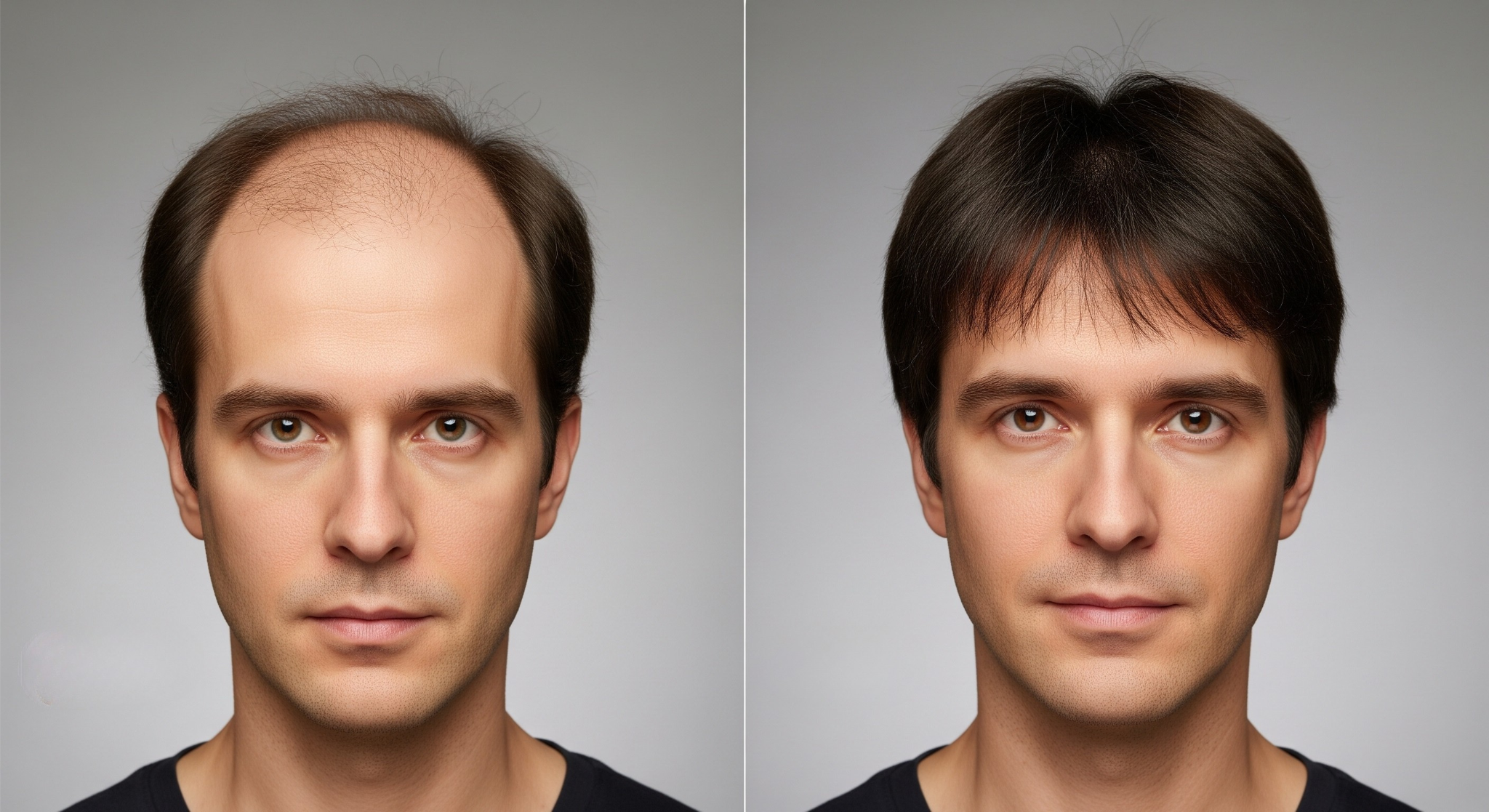
Is a Hair Transplant Worth It? Understanding Cost, Value & Long-Term Results
For anyone living with hair loss, the question is rarely just aesthetic — it touches confidence, identity, and quality of life. At ZMDHair in Beverly Hills, double board-certified surgeon Dr. Hootan Zandifar helps patients weigh the real-world value of a hair transplant against the alternatives, so every decision is grounded in honest, personalized information.
One of the first things patients want to know is what a procedure will cost. The truthful answer is that no legitimate surgeon can give you a meaningful number without first evaluating your scalp — because cost is driven entirely by your unique anatomy and goals. Here is exactly what shapes that figure, and why the investment often makes compelling sense over time.
What Determines the Cost of a Hair Transplant?
Hair restoration is not a one-size-fits-all procedure, and its cost reflects that complexity. Several interdependent factors are assessed during your consultation with Dr. Zandifar before any estimate can be responsibly provided.
- Graft count: The number of follicular units needed to achieve your desired density — which may range from a few hundred to several thousand grafts — is the single largest driver of overall scope.
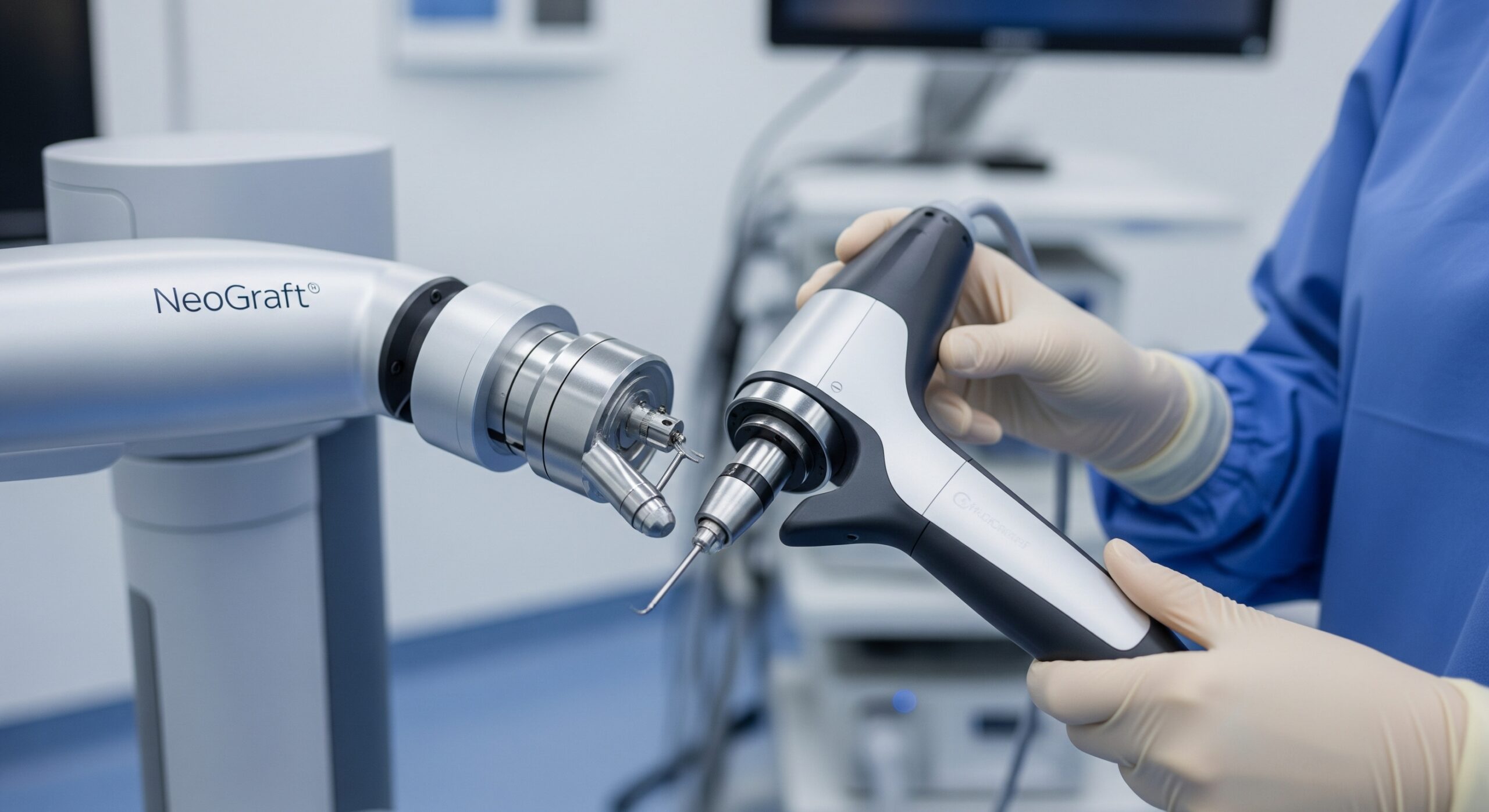
- Technique: ZMDHair offers manual FUE, NeoGraft automated extraction, and robotic-assisted harvesting. Each carries different precision profiles and resource requirements.
- Extent of hair loss: Patients at earlier Norwood stages typically require fewer grafts than those with advanced diffuse thinning across the crown and mid-scalp.
- Donor density and hair characteristics: Thick, coarse hair provides more coverage per graft than fine hair, directly influencing how many grafts are needed to meet your aesthetic goal.
- Number of sessions: Some patients achieve their result in a single session; others with extensive loss benefit from a staged approach, which affects the overall plan.
Long-Term Value vs. Ongoing Hair-Loss Treatments
Medications, topical solutions, and cosmetic concealers can slow progression and improve appearance, but they require indefinite daily use and continuous replenishment. When patients calculate what they spend on these products and treatments over five, ten, or twenty years, the cumulative outlay is often substantial — with results that plateau or reverse the moment the regimen stops.
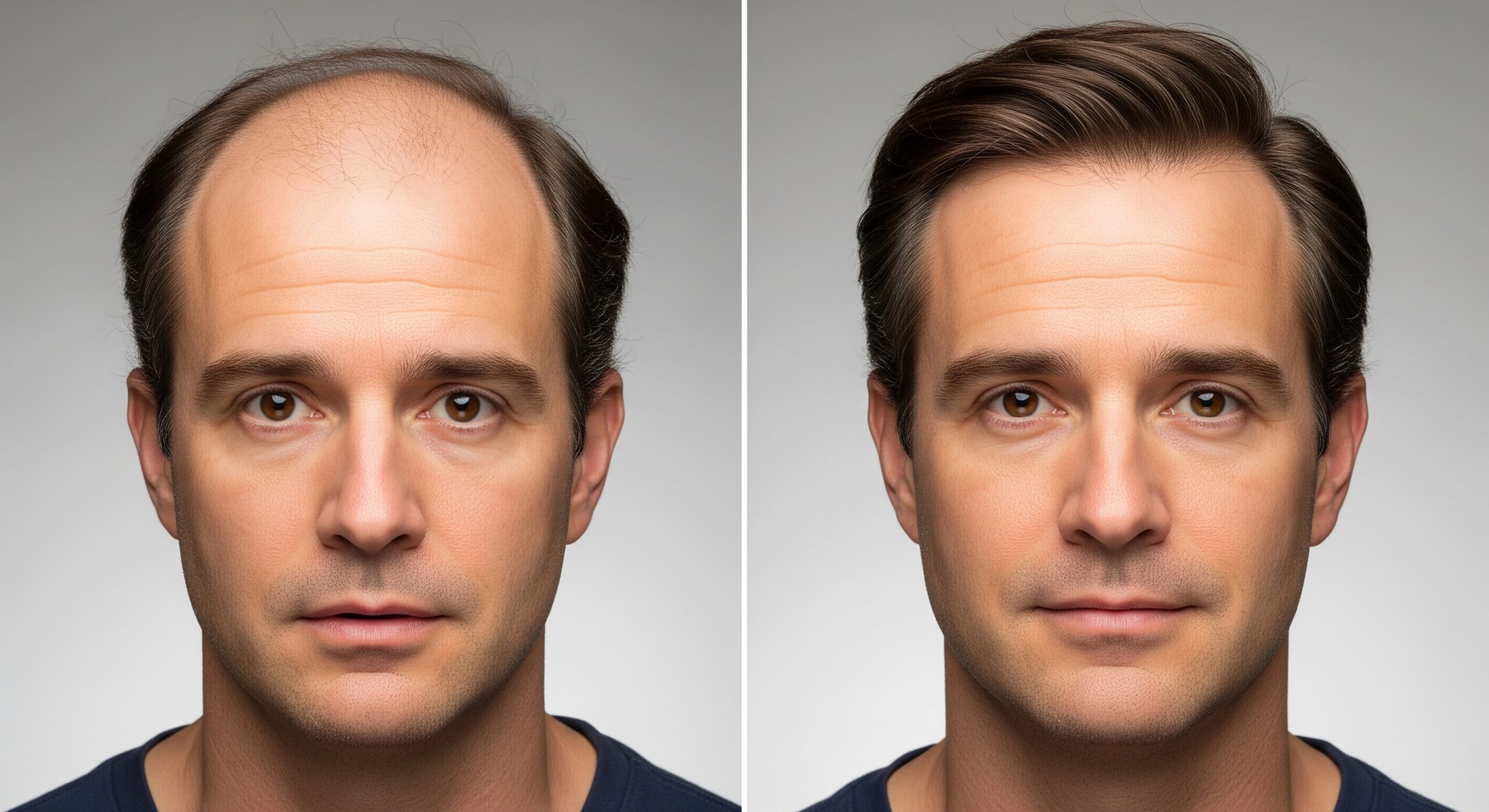
A hair transplant performed by a skilled, board-certified surgeon like Dr. Zandifar relocates genetically resistant follicles that continue to grow naturally for a lifetime. That permanence reframes the conversation: rather than an ongoing expense, a transplant can represent a one-time investment in results that compound in value as the years pass — no refills, no daily routine, no gradual fading.
Flexible Financing and Payment Options
ZMDHair understands that even when the value case is clear, managing a significant healthcare investment requires planning. The practice offers flexible financing and payment options so that the path to restoration can fit a range of financial situations. Specific programs and structures are discussed confidentially during your consultation — never through a generic online quote — because the right plan depends on the scope of your procedure and your personal circumstances.
Dr. Zandifar’s team is committed to transparency at every step, which means financing conversations are straightforward, pressure-free, and tailored to you.
Why Bargain Medical Tourism Carries Real Risk
International clinics advertising deeply discounted hair transplants may seem appealing, but the risks are well-documented. Oversight standards, sterilization protocols, surgeon credentials, and post-operative care vary enormously across borders — and correcting a poorly executed transplant is far more complex, and often more costly, than doing it right the first time.
Dr. Hootan Zandifar is double board-certified by the American Board of Otolaryngology–Head & Neck Surgery and the American Board of Facial Plastic Surgery, UCLA-trained, and a member of the American Society of Hair Restoration Surgery. That level of verified expertise, combined with Beverly Hills-standard facilities and continuity of care, is what protects your result — and your health.
Get your personalized quote
Your cost depends entirely on your case. Dr. Hootan Zandifar gives you an exact, no-pressure figure at a free consultation — Beverly Hills & Santa Monica.
Hair Transplant Cost — FAQ
- Can I get an accurate cost estimate online or over the phone?
- No reputable surgeon can responsibly quote a price without examining your scalp, assessing your donor supply, and understanding your goals. The only accurate number comes from a personalized in-person or virtual consultation with Dr. Zandifar.
- Does insurance cover hair transplant surgery?
- Hair transplants are generally considered elective cosmetic procedures and are not covered by standard health insurance plans. ZMDHair's team can walk you through available financing options during your consultation.
- How does graft count affect the overall scope of my procedure?
- Graft count reflects the number of follicular units harvested and placed to restore your target areas — the more grafts required, the greater the surgical scope. Dr. Zandifar determines the appropriate count based on your degree of loss, donor density, and desired outcome.
- Is a hair transplant a permanent solution?
- Transplanted follicles are harvested from donor zones that are genetically resistant to the hormone DHT, meaning they continue to grow naturally after placement for a lifetime. Some patients benefit from complementary medical therapy to protect non-transplanted native hair.
- What makes Dr. Zandifar qualified to perform hair restoration surgery?
- Dr. Hootan Zandifar holds dual board certifications from the American Board of Otolaryngology–Head & Neck Surgery and the American Board of Facial Plastic Surgery, completed his training at UCLA, and is a member of the American Society of Hair Restoration Surgery — credentials that reflect the highest standards in the field.