Beard Transplant in Beverly Hills
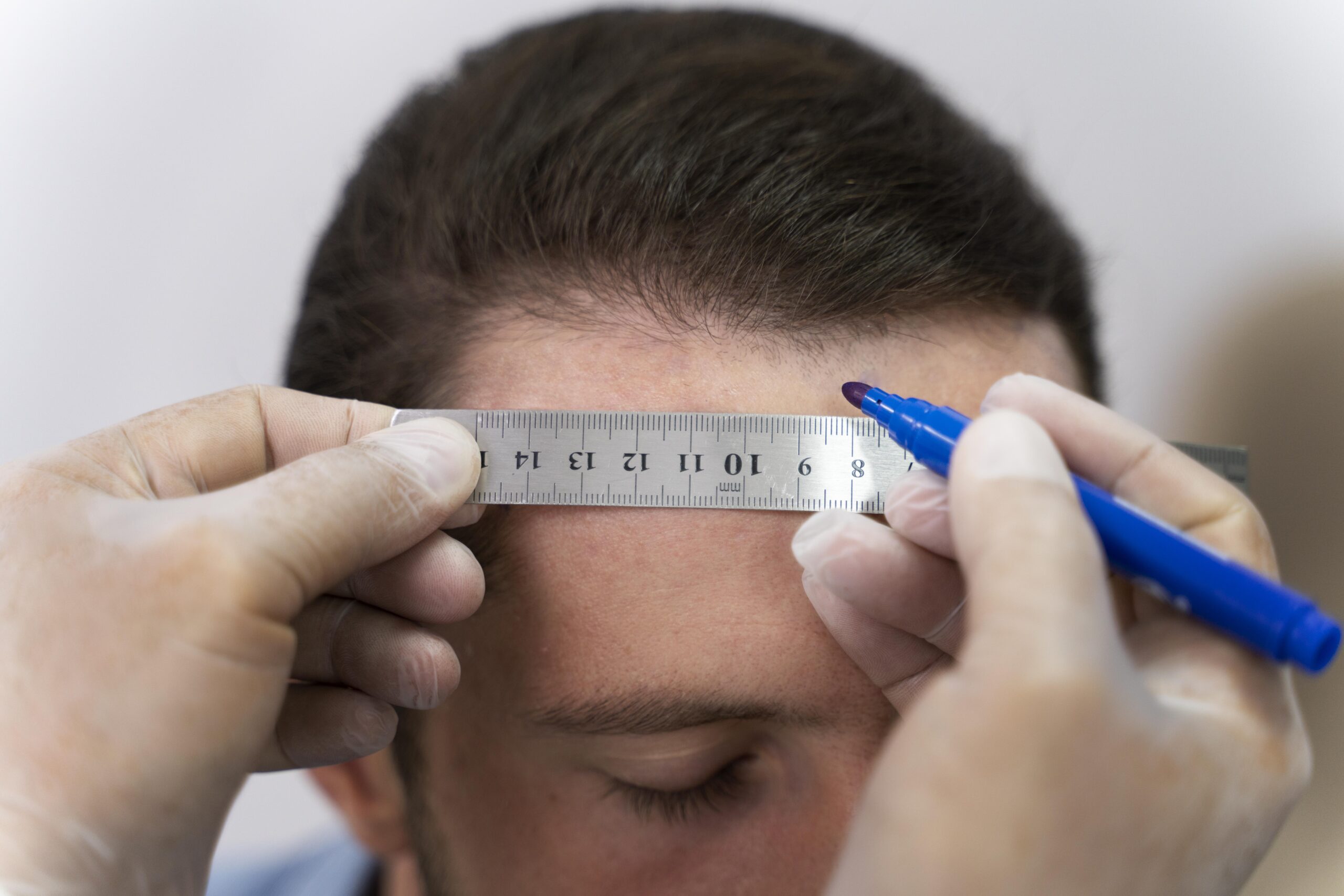
A well-defined beard has become one of the most sought-after aesthetic goals for men in Beverly Hills and throughout Los Angeles. Whether thinning is caused by genetics, scarring, or patchy growth, a beard transplant can restore natural density and shape to the beard, mustache, and sideburns with long-lasting results.
At ZMDHair, Dr. Hootan Zandifar brings a rare combination of surgical precision and deep facial anatomy expertise to every procedure. As a double board-certified surgeon in both Otolaryngology–Head & Neck Surgery and Facial Plastic Surgery, and a UCLA-trained specialist, Dr. Zandifar approaches beard restoration as both a medical and artistic endeavor—crafting results that suit each patient’s facial structure.
What Is a Beard Transplant?
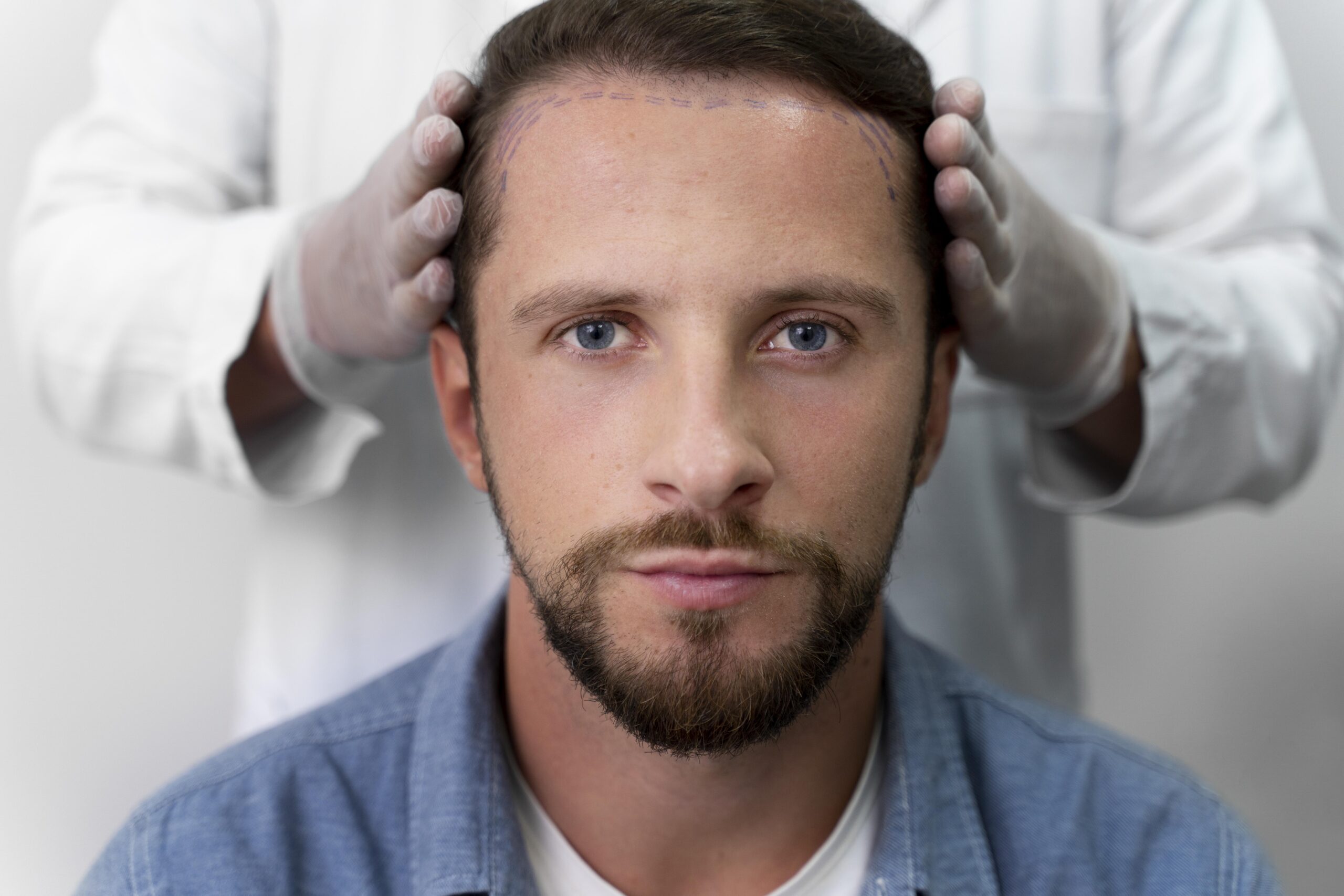
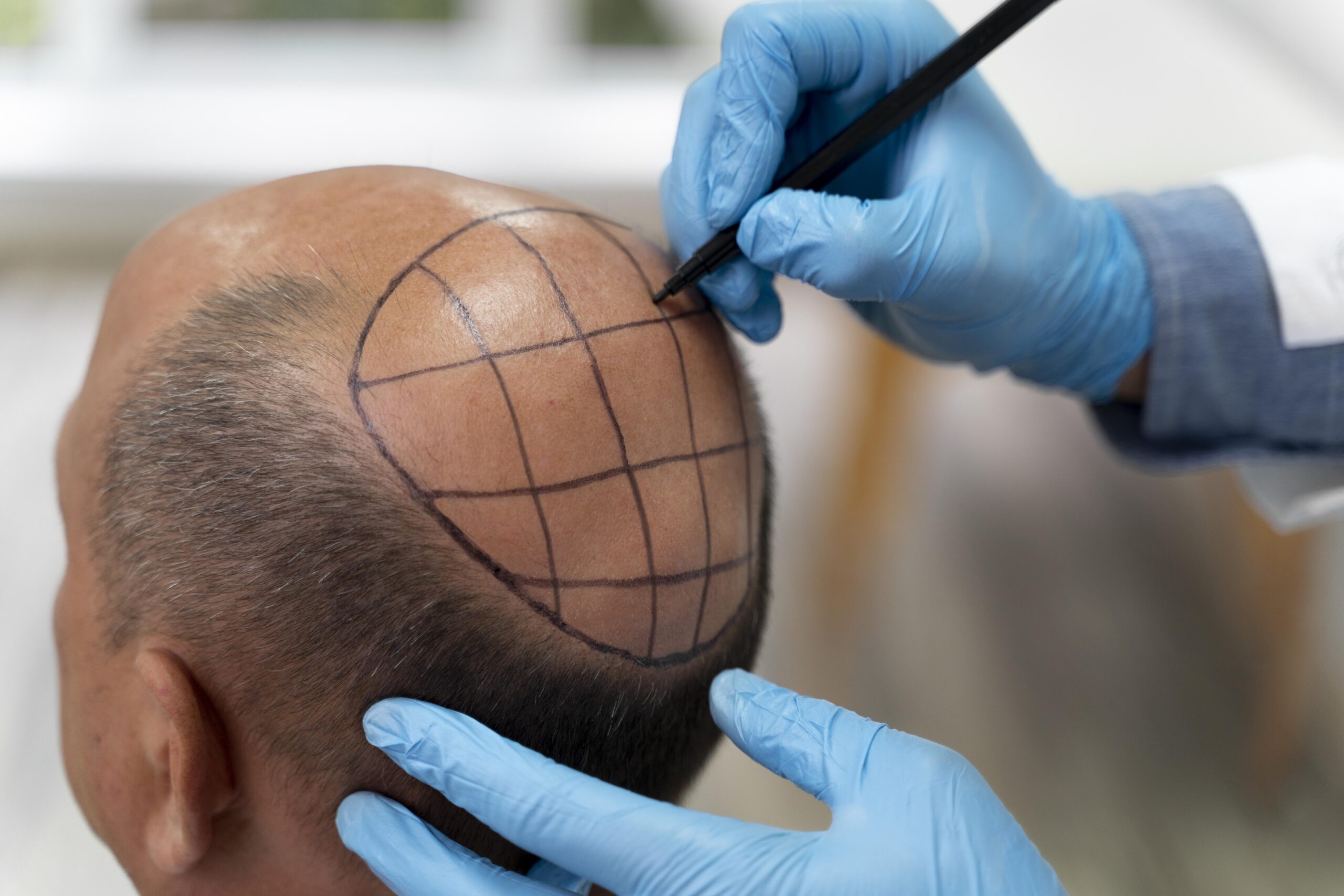
A beard transplant is a surgical procedure in which hair follicles are harvested from a donor area—typically the back or sides of the scalp—and carefully transplanted into the beard, mustache, chin, or sideburn regions. The most commonly used technique is Follicular Unit Extraction (FUE), which removes individual follicles without leaving a linear scar, making it a preferred choice for men who wear their hair short.
Each graft is placed at a precise angle and direction to mimic the natural growth pattern of facial hair, a detail that requires both technical skill and an understanding of facial aesthetics. The transplanted follicles become permanent once established, growing just like native beard hair.
Why Beverly Hills Patients Choose ZMDHair
Beverly Hills is home to some of the most discerning patients in the world, and they consistently seek out physicians whose credentials and outcomes reflect the highest standards of care. Dr. Zandifar’s dual board certifications—from the American Board of Otolaryngology–Head & Neck Surgery and the American Board of Facial Plastic Surgery—along with his membership in the American Society of Hair Restoration Surgery, position him among a select group of surgeons qualified to perform facial hair restoration at this level.
ZMDHair’s offices at 8920 Wilshire Blvd in Beverly Hills and 2811 Wilshire Blvd in Santa Monica are conveniently accessible for patients across the greater Los Angeles area. The practice’s focus on the face and head means that beard transplant patients benefit from a surgeon whose entire specialty is centered on facial anatomy and aesthetics.
Are You a Candidate? The Consultation Process
Good candidates for a beard transplant are generally men in good overall health who have stable, adequate donor hair and realistic expectations about outcomes. Common reasons patients seek consultation include patchy beard growth, complete absence of facial hair, scarring from acne or injury, or a desire for a more defined beard line or fuller mustache.
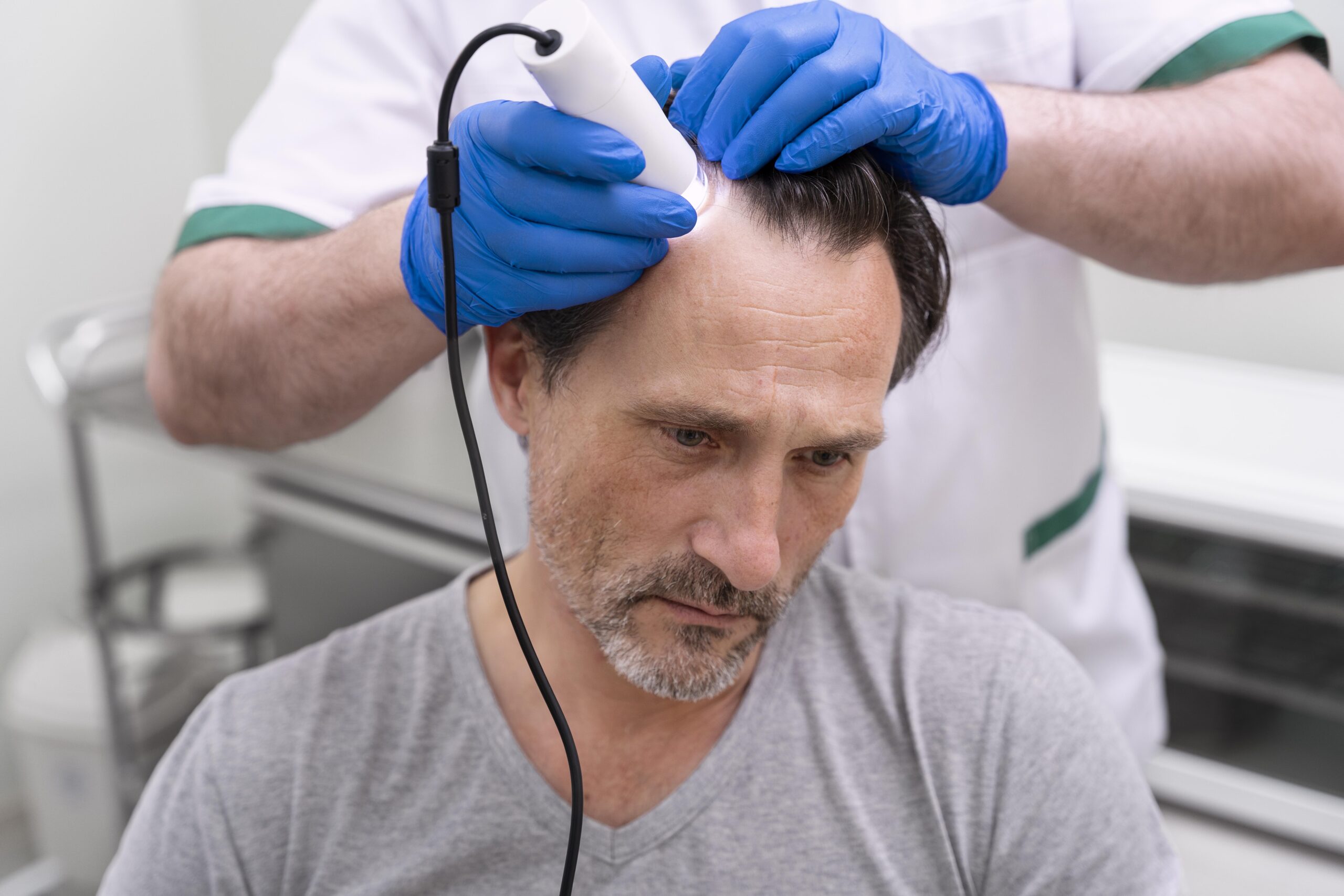
During a consultation at ZMDHair, Dr. Zandifar evaluates donor hair quality and density, discusses the patient’s aesthetic goals, and explains what can realistically be achieved based on individual hair characteristics. This conversation is an opportunity to ask questions and understand the full scope of the procedure before making any decisions.
- Patchy or uneven beard growth
- Thin or absent mustache or sideburns
- Scarring affecting beard coverage
- Desire for a more structured beard shape
Recovery and What to Expect from Results
Recovery from a beard transplant is generally manageable for most patients. In the days following the procedure, mild swelling, redness, and small scabs around the transplanted follicles are normal and typically resolve within one to two weeks. Most patients return to regular activities within a few days, though strenuous exercise and direct sun exposure should be avoided during the initial healing period.
It is normal for transplanted hairs to shed within the first few weeks—this is a natural part of the follicle cycle. New growth typically begins to appear within three to four months, with more noticeable density developing over the following months. Full results are generally visible around twelve months after the procedure, revealing a beard that grows, trims, and styles like natural facial hair.
Considering Beard Transplant?
Speak with Dr. Hootan Zandifar about your goals — Beverly Hills & Santa Monica.
Beard Transplant in Beverly Hills — FAQ
- How many grafts are typically needed for a beard transplant?
- The number of grafts varies depending on the area being treated and the patient's goals. A mustache or small patch may require fewer grafts than a full beard restoration. Dr. Zandifar determines an individualized estimate during the consultation after evaluating your facial hair pattern and donor supply.
- Will the results look natural?
- When performed by an experienced facial surgeon, beard transplants can produce results that closely mimic natural hair growth. Dr. Zandifar pays close attention to the angle, direction, and distribution of each graft to ensure the outcome complements the patient's facial features.
- Is the procedure performed at the Beverly Hills office?
- ZMDHair has offices at 8920 Wilshire Blvd, Suite 604 in Beverly Hills and 2811 Wilshire Blvd, Suite 640 in Santa Monica. During your consultation, the team will confirm which location is best suited for your procedure.
- Does a beard transplant leave scars?
- FUE technique leaves tiny, dot-like marks at the donor site that are generally not visible once healed, especially when donor hair is taken from an area that can be covered by surrounding hair. Dr. Zandifar will discuss the expected donor site appearance during your consultation.
- How long do beard transplant results last?
- Because the transplanted follicles come from permanent donor hair, the results are generally long-lasting once the grafts have fully established. The transplanted hair will continue to grow and can be groomed just like the rest of your beard.