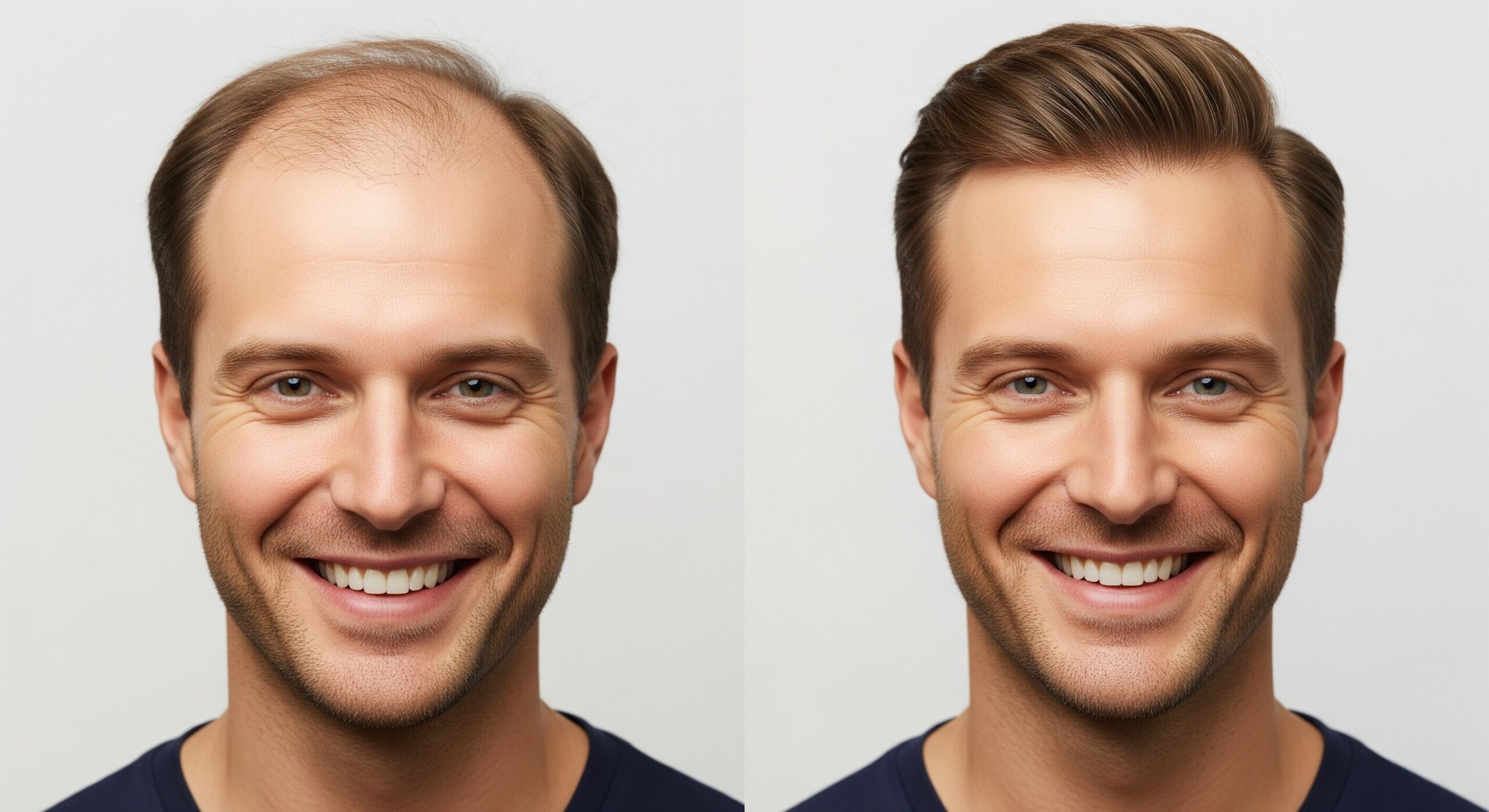
If you’ve recently dropped weight quickly and noticed more hair in your brush or shower drain, you’re not imagining it. Weight loss hair loss is a well-recognized phenomenon, and crash diets are one of its most common triggers—often striking two to four months after the dietary change, just when you thought you were on a health high.
The short answer is yes: rapid or extreme caloric restriction can push a significant number of hair follicles into a resting-and-shedding phase. The good news is that this type of shedding is usually temporary, and understanding the biology behind it puts you in a much stronger position to protect your hair going forward.
The Biology Behind Weight Loss Hair Loss
Hair grows in cycles: an active growth phase (anagen), a transitional phase (catagen), and a resting phase (telogen) that ends with shedding. Under normal conditions, roughly 85–90% of your follicles are in anagen at any given time. When the body experiences a significant physiological stressor—such as a dramatic drop in calories, protein, or key micronutrients—it can abruptly shift a large percentage of follicles into telogen simultaneously. When those hairs shed weeks or months later, the result is called telogen effluvium.
Crash diets create the perfect storm for telogen effluvium because they often combine multiple stressors at once: severe caloric deficit, inadequate protein intake, and depletion of vitamins and minerals that follicles depend on. The body essentially treats the diet as a survival threat and redirects energy away from non-essential functions—hair growth being one of the first to be deprioritized.
Why Crash Diets Are Especially Risky for Your Hair
Not all weight loss triggers equal shedding. Gradual, well-balanced caloric reduction is far less likely to shock the follicle cycle than extreme approaches. Crash diets—typically defined as consuming very few daily calories or eliminating entire food groups—are particularly problematic for several reasons:
- Protein deficiency: Hair is almost entirely made of keratin, a protein. Insufficient dietary protein directly limits the raw material follicles need to build a hair shaft.
- Iron and ferritin depletion: Low iron stores are independently associated with increased hair shedding, and restrictive diets frequently lack iron-rich foods.
- Zinc and biotin shortfalls: These micronutrients support follicle cell division; deficiencies can impair normal growth cycles.
- Rapid weight loss after bariatric surgery: Post-surgical patients often experience pronounced telogen effluvium due to the combination of surgical stress and swift nutritional changes—a topic worth discussing with your surgical team before and after any procedure.
How to Tell If Diet-Related Shedding Is What You're Experiencing
Telogen effluvium caused by weight loss typically presents as diffuse shedding across the entire scalp rather than a receding hairline or distinct bald patches. You may notice more hair on your pillow, in the shower, or wrapped around your brush. The shedding usually peaks two to four months after the triggering event and then gradually slows as the body stabilizes. Importantly, the follicles themselves are generally not destroyed—they’re dormant, not dead.
However, diffuse shedding can also be a sign of thyroid disorders, hormonal imbalances, autoimmune conditions, or other underlying health issues that require medical evaluation. If shedding is severe, prolonged beyond six months, or accompanied by other symptoms, it’s important to consult a physician. A board-certified specialist can order blood work to rule out contributing medical conditions and give you a clear diagnosis rather than a guess.
Nutritional Strategies to Minimize Hair Shedding During Weight Loss
If you want to lose weight without sacrificing your hair, the approach matters as much as the outcome. Evidence consistently points toward gradual, sustainable weight loss—generally no more than one to two pounds per week—as less likely to trigger significant shedding. Equally important is ensuring your diet remains nutritionally complete even in a caloric deficit.
- Prioritize protein: Aim for adequate daily protein from sources like lean meats, eggs, legumes, and dairy to supply the amino acids your follicles need.
- Don’t skip iron-rich foods: Lean red meat, spinach, lentils, and fortified cereals help maintain ferritin levels that support the hair cycle.
- Consider a comprehensive multivitamin: A broad-spectrum supplement can help bridge micronutrient gaps during caloric restriction—but discuss supplementation with your doctor before starting, especially at high doses.
- Stay hydrated: Adequate hydration supports overall cellular function, including the metabolically active cells of hair follicles.
When to See a Hair Restoration Specialist
Most diet-related telogen effluvium resolves on its own once nutrition is restored and the body stabilizes—typically within six to twelve months. But if shedding persists, if you notice thinning that seems permanent, or if you’re concerned about the density you’ve lost, a consultation with a hair restoration specialist is a worthwhile step. At ZMDHair, Dr. Hootan Zandifar brings double board-certification in Otolaryngology–Head & Neck Surgery and Facial Plastic Surgery, along with specialized training in hair restoration, to evaluate each patient’s unique pattern of loss.
A thorough evaluation can distinguish between temporary telogen effluvium and other forms of hair loss—such as androgenetic alopecia that may have been unmasked or accelerated by the dietary stress. From there, a personalized plan can be developed, whether that means monitoring and nutritional guidance, medical therapy, or, when appropriate, a surgical restoration option. Early evaluation almost always leads to better outcomes than waiting.
Concerned about hair loss?
Talk with Dr. Hootan Zandifar — Beverly Hills & Santa Monica.
Frequently Asked Questions
- How long does weight loss hair loss typically last?
- Diet-triggered telogen effluvium usually peaks two to four months after the stressor and resolves within six to twelve months once nutrition and body weight stabilize. If shedding continues beyond that window, a medical evaluation is recommended to rule out other causes.
- Will the hair that fell out grow back after a crash diet?
- In most cases of telogen effluvium, yes—the follicles remain intact and capable of re-entering the growth phase once the underlying nutritional deficit is corrected. However, recovery timelines vary by individual, and any coexisting hair loss condition could affect regrowth.
- Can weight loss supplements or meal-replacement shakes cause hair shedding?
- They can, particularly if they provide very low calories or inadequate protein and micronutrients. Some supplements also contain ingredients that may affect hormone levels, which can independently influence the hair cycle—always review supplement ingredients with a healthcare provider.
- Is hair shedding after bariatric surgery the same as crash-diet hair loss?
- The mechanism is similar—rapid nutritional changes triggering telogen effluvium—but post-bariatric shedding can be more pronounced due to the added physiological stress of surgery. Patients are typically advised to follow specific nutritional protocols and supplementation plans to minimize hair loss after bariatric procedures.